Ep036:
How To Recruit Spies
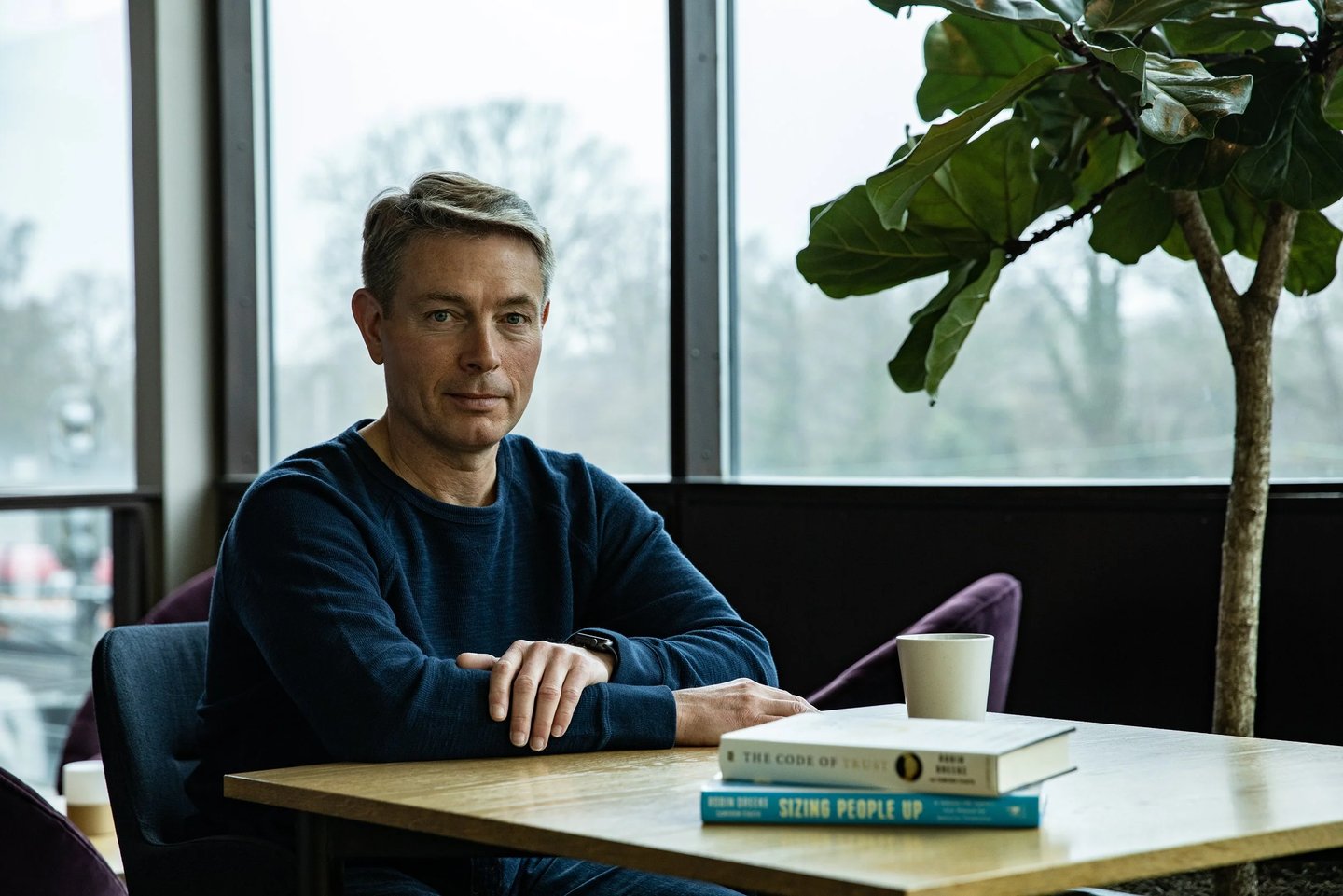
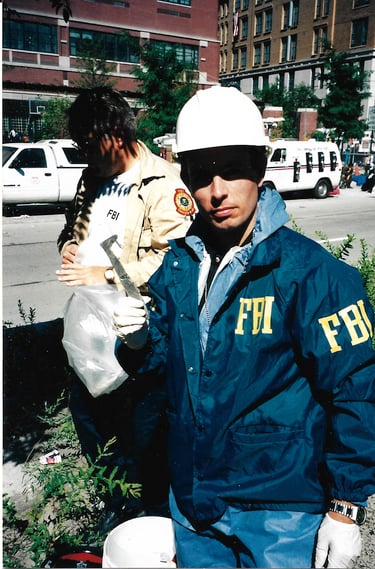
Robin Dreeke spent 22 years as an FBI Special Agent, eventually leading the Bureau's elite Counterintelligence Behavioral Analysis Program. His job: recruiting foreign spies to work as assets for the United States.
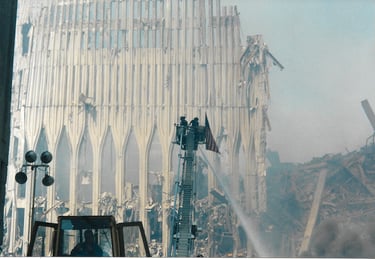
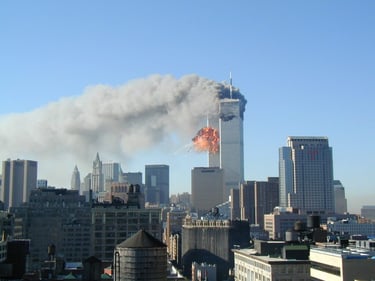
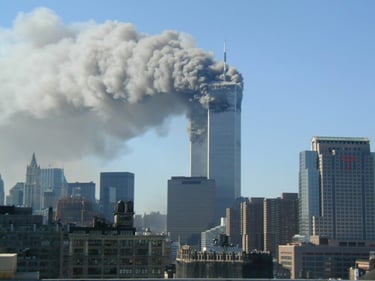
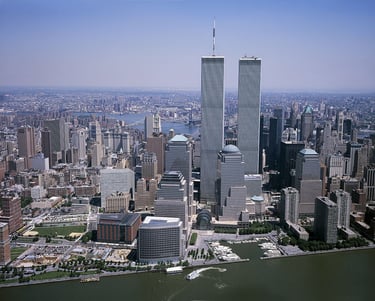
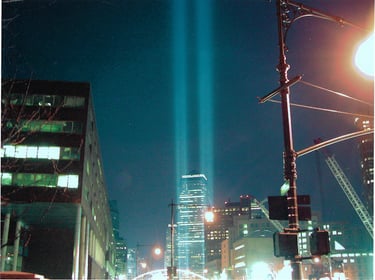
On the morning of September 11th 2001, Robin was five blocks from the World Trade Center when the first plane hit. What he witnessed that morning set in motion one of the most remarkable chapters in American intelligence history.
Within 24 hours he had pivoted his entire spy network away from Cold War targets toward a crisis no one had a playbook for. What followed were operations the world will likely never fully know about, including a back channel between governments that helped prevent potential conflict between nuclear powers.
In this episode Robin reveals the human psychology behind why people cooperate, what foreign spies actually want, and how trust becomes the most powerful weapon in any room.







Links and Info
🌍 Website: robindreeke.com
📸 Instagram | LinkedIn | Youtube | X/Twitter: @rdreeke, Facebook: @PeopleFormula
💼 Books: It's Not All About Me - The Code of Trust - SizingPeople Up - Unbreakable Alliances
🎧 Podcast: Hidden Killers with Tony Brueski (co-host)
Episode Overview
Recruiting Spies After 9/11: Inside the Career of FBI Behavioural Analysis Chief Robin Dreeke
There is a version of the spy recruitment story that involves blackmail, pressure and leverage. The one where an intelligence officer corners a target and squeezes until something comes loose. That version, Robin Dreeke will tell you, almost never works. And Robin Dreeke has spent more time recruiting spies than most people alive.
For 22 years Robin served as an FBI Special Agent, eventually leading the Bureau's elite Counterintelligence Behavioral Analysis Program. His job was to get foreign intelligence officers, Russian military assets, UN diplomats and sources buried deep inside foreign networks, to willingly cooperate with the United States government. Not because they were forced to. Because they wanted to.
The way he did it had nothing to do with manipulation. It had everything to do with making the other person feel genuinely understood.
The kid who just wanted to make friends
Robin grew up just north of New York City, gregarious and extroverted, obsessed from an early age with one thing: connection. By his own admission, his greatest desire at five years old was going to school to make friends. That impulse never left him. It just found a very unusual outlet.
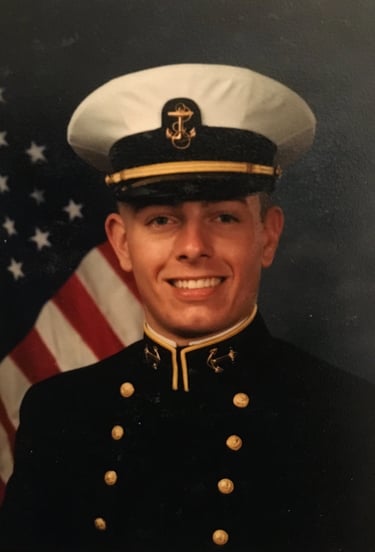
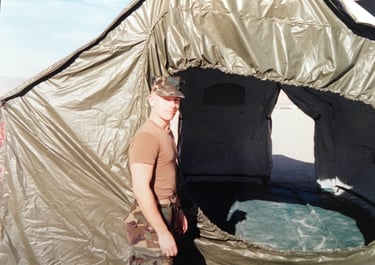
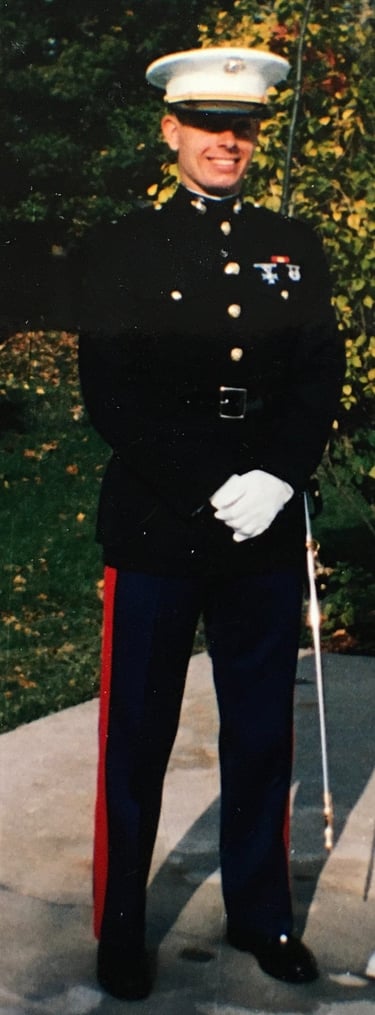
After graduating from the Naval Academy he joined the US Marine Corps, where his early career was a humbling lesson in what leadership is not. Ranked dead last among second lieutenants at Cherry Point, North Carolina, he was told by his commanding officer that he needed to make it about everyone else but himself. He didn't understand what that meant. Not yet.
The understanding came slowly, through friction and failure, and eventually through the FBI. Assigned to the New York field office to work counterintelligence, he had his first major breakthrough when a supervisor stopped him mid-briefing. Robin had laid out his entire strategy for recruiting a target: here's why he's vulnerable, here's what I think he'll do. His supervisor cut him off. That's what you think. What does he think? What can you do to inspire him to want to cooperate with you?
That question, Robin says, changed everything. The reverse optic. The perspective shift. The realisation that the job was never about his agenda.
The morning the world changed
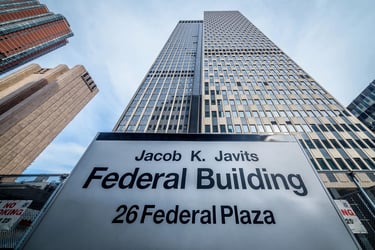
On September 11th 2001, Robin was on Broadway outside the FBI's New York field office, coffee in hand, when he heard the first plane hit. His cubicle on the 25th floor of 26 Federal Plaza faced southwest, directly toward the towers. Standing on the street six blocks away, he watched what he first took for debris falling from the North Tower. It wasn't debris.
He stood there counting. Timing whether things were getting better or worse. He was on the eighth person when the South Tower fireball came through live in front of him.
The chaos that followed inside the field office was, by Robin's account, unlike anything a training manual could prepare you for. Veterans locked safes. Some agents ran home. Rumours circulated that the federal building was next. Robin thought he was going to die that day.
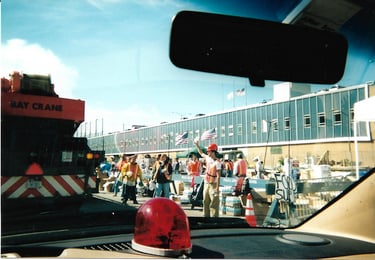
By six o'clock that evening he had been assigned lead number two in the entire FBI 9/11 investigation. The next morning, with his field office relocated to the USS Intrepid, a World War II aircraft carrier turned museum on the West Side Highway, Robin made a call that would define the next chapter of his career.
He reached out to his network of Russian intelligence sources and told them: we're done with Russian spies. I need Middle East contacts. Now.
Leo
Among Robin's sources was a man he refers to as Leo. A veteran asset who had been working with the FBI since the 1960s, Robin was his fourteenth or fifteenth handler. Leo was older than Robin's grandparents, direct, demanding and always testing his handlers to figure out whether they were strategists or bureaucrats. He had direct access to bad guys, including diplomats at the United Nations.
Within a week or two of Robin's call, Leo came back with something. He had someone Robin needed to meet. A man with direct family ties to a leader of a Middle Eastern country, who might be open to a conversation if someone could help him solve a particular problem first.
Robin solved the problem, showed up to the first meeting with it already resolved, and a relationship began that has lasted to this day. Gift baskets exchanged every Christmas and New Year. A back channel of intelligence established between two countries. And a series of operations that Robin believes contributed to preventing conflict between nuclear powers.
He mentions this almost in passing. That's just the job.
What spies actually want
One of the most striking things Robin shares in this conversation is the truth behind why foreign intelligence officers agree to cooperate with the FBI. It is never what the movies suggest. No ideology. No grand geopolitical cause. Every single spy Robin ever recruited had the same core motivation.
Their kids.
The money, when it came, was a resource for their children's future. The patriotic motivation, for those Russian intelligence officers who felt it, was tied to a desire to protect the next generation from the oligarch destroying their country. It was always, Robin says, kids and patriotism. A hundred percent, always. He never met a single person who cooperated for any other reason.
That understanding, that people are driven by the most human of things regardless of what uniform they wear or what government they serve, sits at the heart of everything Robin does.
The four keys
Toward the end of the conversation Robin distils his entire philosophy into four principles he calls the golden keys of communication. Seek the thoughts and opinions of others rather than talking about your own. Talk in terms of the other person's challenges and priorities, not yours. Approach every interaction with non-judgmental active curiosity, being curious about what the other person wants to share rather than what you want to know. And empower people with choice, because when people feel they have a choice, they feel in control, and when they feel in control, they feel safe.
That last point is the one everything else leads back to. The greatest motivator in human beings, Robin argues, is fear. The most powerful thing you can do for another person is be the one they feel safe with. Not the most impressive. Not the most credentialed. The safest.
It applies, he says, whether you are trying to turn a Russian intelligence officer or walk into a job interview. The wiring is the same.
A career in the shadows
What makes Robin's story unusual is not just what he did, but how little of it the world will ever know. The operations that mattered most, the sources who took the greatest risks, the back channels that may have prevented catastrophe, none of it will ever fully surface. The people who affected American national security more than almost anyone else alive did so without a single accolade on their desks.
Robin retired from the FBI in 2018. A few months before this conversation, he threw out every award he had ever received. Took a picture of the pile and let it go. No one cares, he says. Your accolades are just someone else's junk after a generation.
What lasts, he believes, is something far simpler. The quality of the relationships you leave behind.
Want to find out more?
Join the conversation on our socials.
© 2025. All rights reserved.