Ep035:
From War Zones to Wildlife
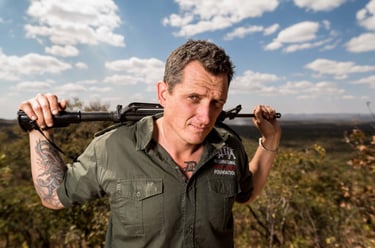
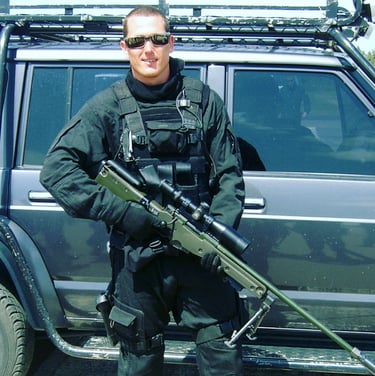
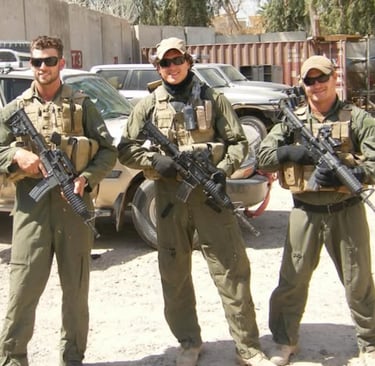
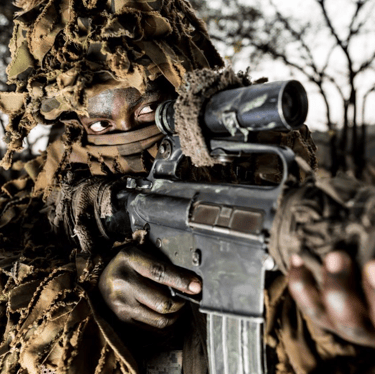
Damien Mander spent a decade in Australia's most elite military units. Clearance diver. Special operations sniper. Three years at war in Iraq. When he left, he had money, properties, and no idea what came next.
What followed was a spiral. Drugs, alcohol, a year drifting through South America. What eventually pulled him out was a rumour in a bar about going to Africa to protect animals. He went looking for a fight, not a cause.
What he found were rangers protecting vast wilderness with almost nothing behind them. And then one day on patrol, a Cape buffalo trapped in a wire snare, giving birth to a stillborn calf as she was euthanised. He called his mum and told her to start selling everything.
That decision led him to found the IAPF, create Akashinga, and eventually co-lead Abundant Village alongside his wife Briana, protecting nearly 10 million acres across five countries.





Links and Info
🌍 Website: abundantvillage.world | https://www.akashinga.org/
📸 Instagram: @abundant_village.mm | @damien_mander
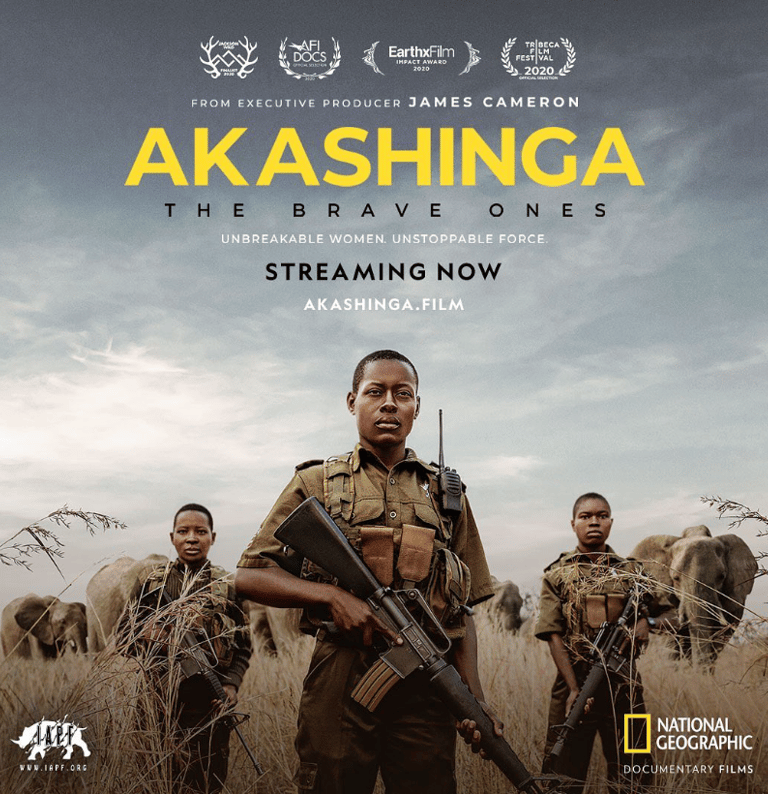
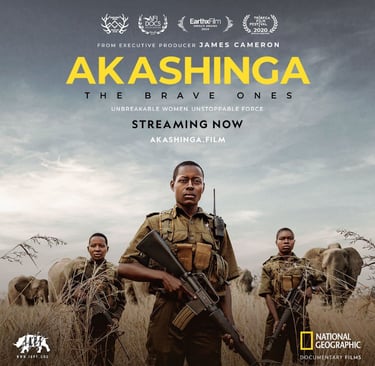
▶️ YouTube: Akashinga: The Brave Ones | National Geographic - https://www.youtube.com/watch?v=WUYQS40I9mw
💼 LinkedIn: @damienmander
💛 Donate: abundantvillage
Episode Overview
Damien Mander: From Special Operations Soldier to Anti-Poaching Activist in Zimbabwe
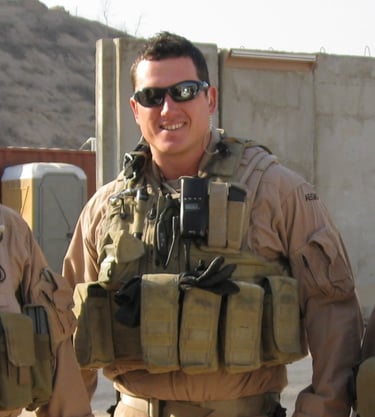
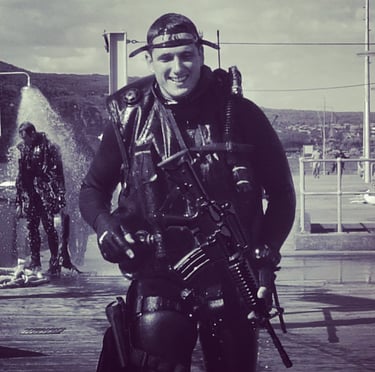
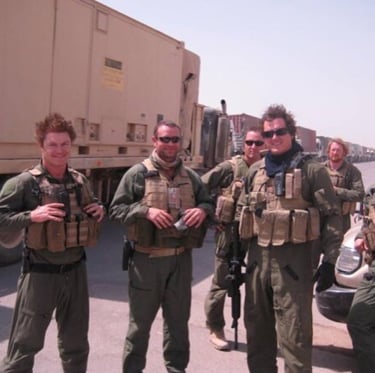
Damien Mander spent the better part of a decade doing things most people only see in films. Clearance diver. Special operations sniper. Three years on active deployment in Iraq as part of one of Australia's most elite military units. By the time he left, he had money, properties, and no idea what he was supposed to do next.
In this episode of No Ordinary Monday, Damien tells the story of what happened after the mission disappeared.
What followed the military wasn't a plan. It was a spiral. Drugs, alcohol, nearly a year drifting through South America. What eventually pulled him out was a rumour picked up in a bar somewhere about going to Africa, running around in the bush with a rifle, protecting animals. He went looking for a fight. He went, by his own admission, for entirely the wrong reasons.
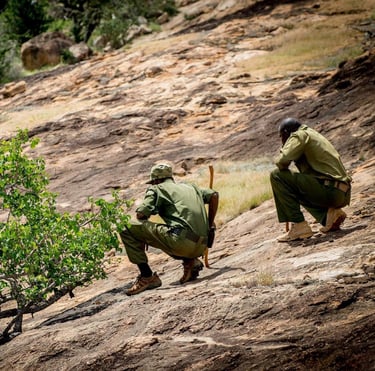
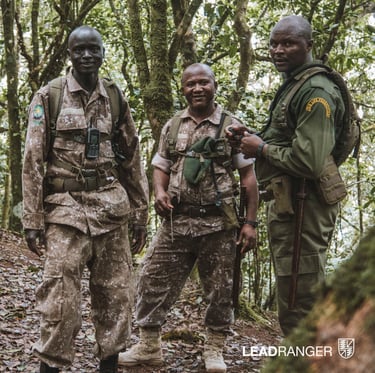
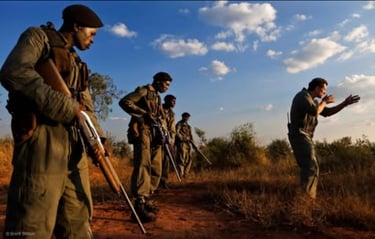
What he found instead were rangers. Men and women wandering vast wilderness areas, trying to protect some of the most important ecosystems on earth with almost nothing behind them. Coming straight from Iraq, where the annual defence budget ran to $600 billion, the contrast hit hard. These rangers, doing what Damien now believes is the most important job in the world, had almost no resources and faced dangers from both sides: armed poachers crossing international borders, and the very animals they were trying to protect.
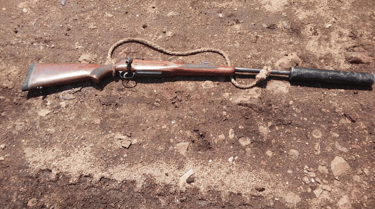
Then one day on patrol in Zimbabwe, he came across a Cape buffalo trapped in a wire snare. She had been there for three days. When the rangers got close enough, they could hear bones grinding under her skin. She had ripped her own pelvis in half trying to pull free. There was no choice but to euthanise her. As she died, she began giving birth to a stillborn calf.
Damien called his mum that day and told her to start selling everything.
With no plan and no script, he founded the International Anti-Poaching Foundation in 2009, funding the entire operation from his own liquidated savings and investments. The early years were focused on law enforcement, a good guy with a gun trying to get between the animal being hunted and the person doing the hunting. It worked, up to a point. But it was treating symptoms, not causes.
The turning point came during a large operation along the Kruger National Park border in Mozambique, ground zero for rhino poaching at the time. Meeting the communities living alongside those reserves, looking into the eyes of women who had lost husbands and brothers and sons to the conflict on both sides, made one thing clear: bigger fences and more guns were never going to be enough. Conservation, Damien realised, is a social issue.
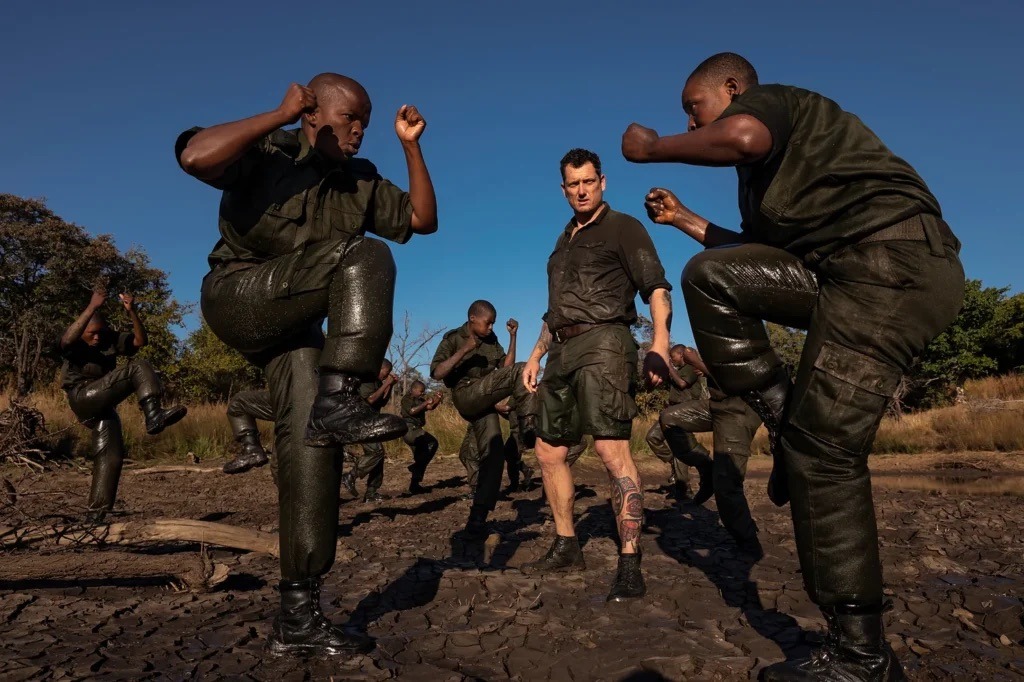
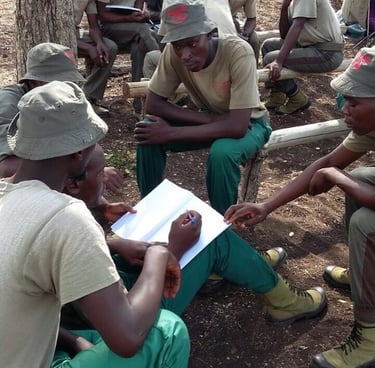
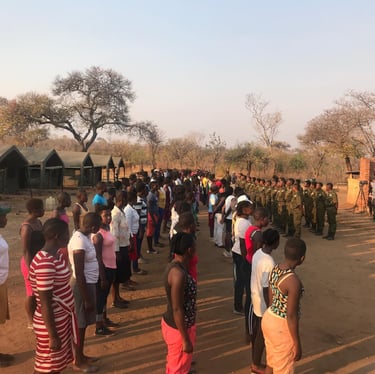
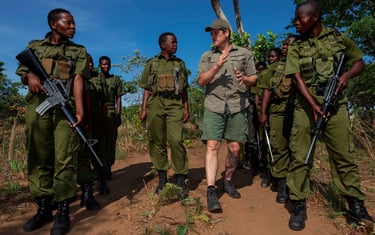
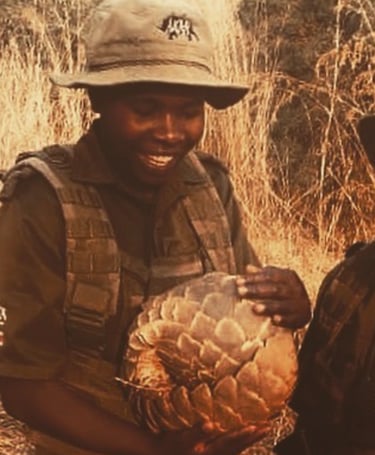
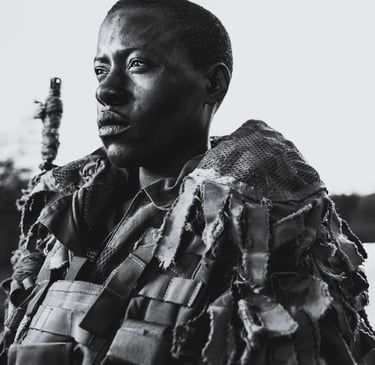
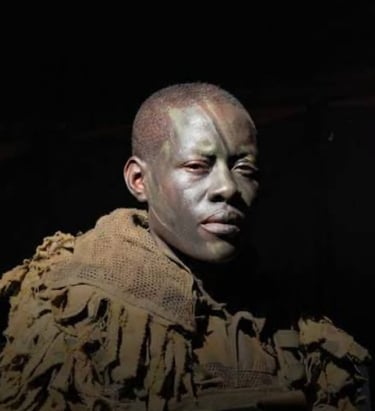
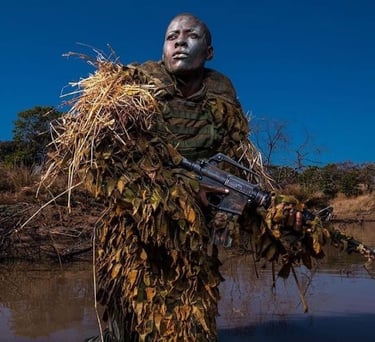
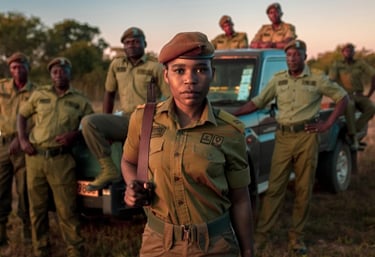
In 2017 he founded Akashinga, which means The Brave Ones in Zimbabwe's Shona language. The idea was straightforward and at the time considered radical: recruit an all-female anti-poaching unit from the most marginalised women in the community. Survivors of domestic violence and sexual assault, single mothers, AIDS orphans, abandoned wives. Seven organisations across three countries turned him down before he found a home for the idea in an abandoned trophy hunting reserve in Zimbabwe.
What he hadn't anticipated was that in recruiting the women who had survived the most, he was recruiting the toughest people in society. In the first nine months of operation, the Akashinga rangers made over 56 arrests and helped drive an 80% reduction in elephant poaching in the region. A reported 90% reduction in elephant poaching followed across the wider area the IAPF operated, with an almost 400% increase in wildlife populations in the pilot area.
Today, working alongside his wife Briana Evigan and the team at Abundant Village, Damien helps protect nearly 10 million acres of wilderness across Zimbabwe, South Africa, Botswana, Namibia and Tanzania, a landscape larger than all the national parks in the lower 48 United States combined. The model links anti-poaching operations directly to jobs, healthcare, education and clean water for the communities that live alongside those ecosystems, built on the belief that you cannot protect nature by treating people as separate from it.
In this conversation with host Chris Baron, Damien talks about what illegal wildlife trafficking actually looks like at ground level, how poaching connects to the same transnational organised crime networks as guns and drugs, and why only 3% of global philanthropic funding reaches nature and animals. He also gets into what it really costs to lose rangers in the field, and why, after everything, he remains genuinely optimistic.
If you've ever wondered what it looks like when someone takes everything they were trained to destroy and spends the rest of their life trying to protect something instead, this one is worth your time.
Want to find out more?
Join the conversation on our socials.
© 2025. All rights reserved.