Ep033:
Designing an Impossible Ride
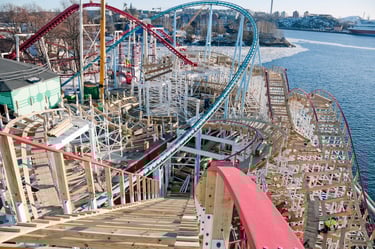
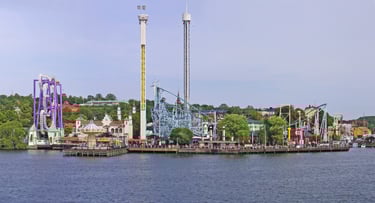
A theme park owner in Stockholm points to a cramped patch of land, boxed in by towers, tracks, and buildings, and asks an almost impossible question: could you build a roller coaster here?
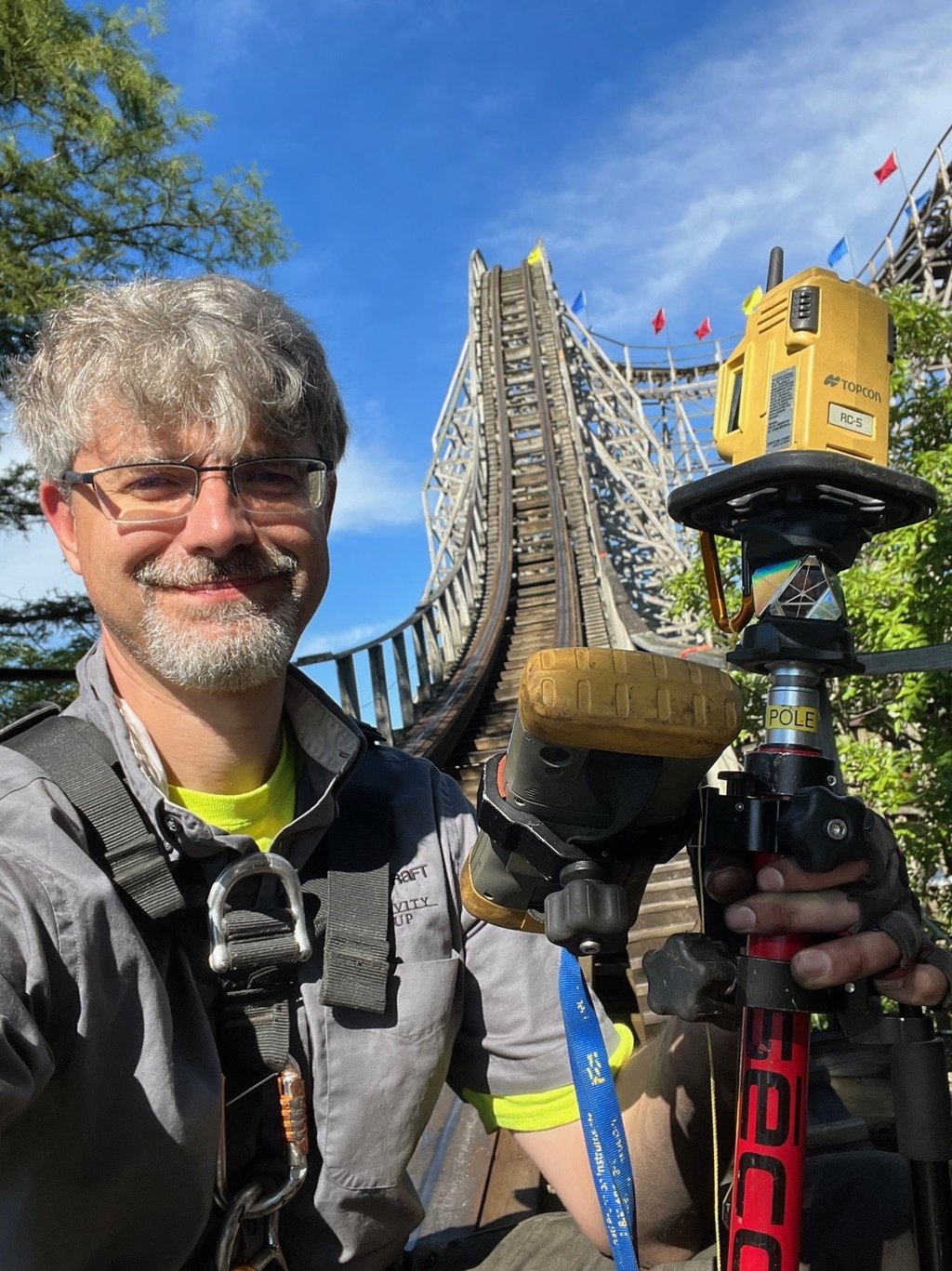
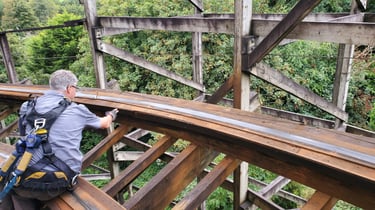
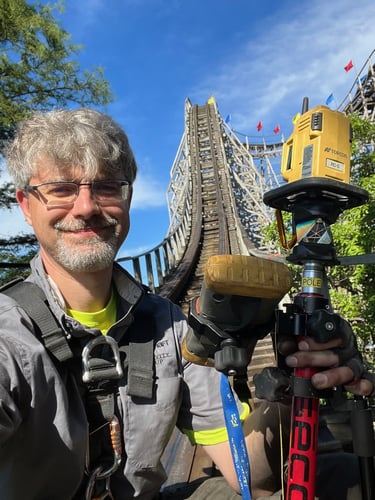
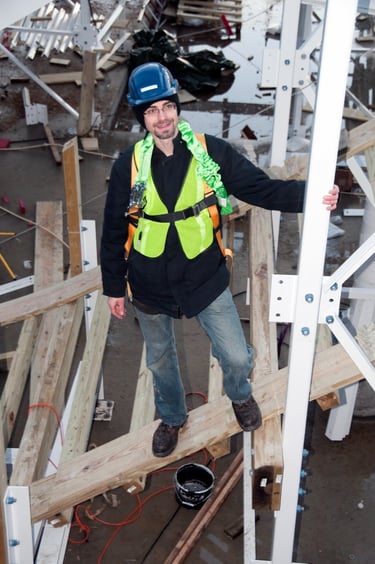
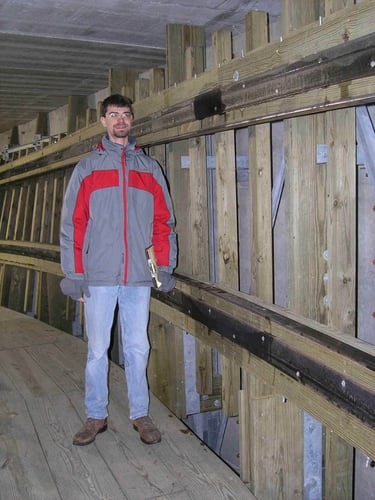
Wooden roller coaster designer Korey Kiepert says yes. What follows is a story of engineering, creativity, and careful problem solving, as he and his team design a ride that weaves through an already packed park.
In this episode, Korey takes us behind the scenes of roller coaster design, from site constraints and layout compromises to the safety culture behind every decision. He also shares how an improv mindset helped shape his approach, and why working within tight limitations can lead to the most memorable rides.
We also explore why wooden roller coasters still matter today, and what makes them so unique in a world of bigger, faster attractions.





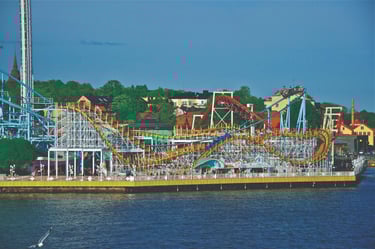
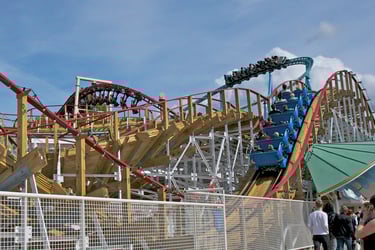
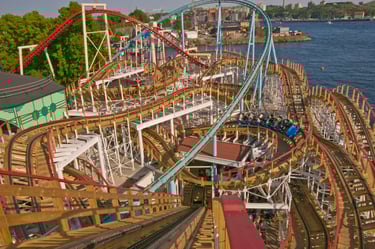
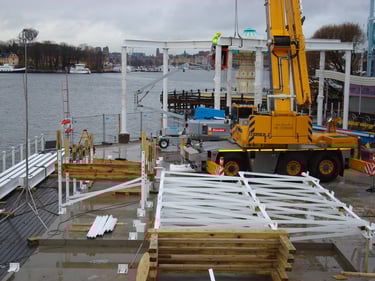
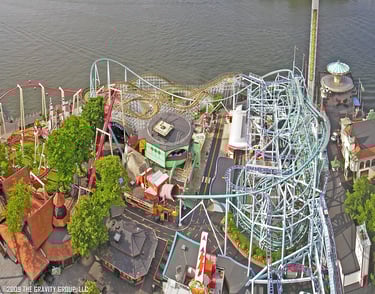
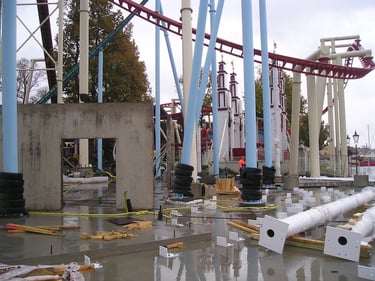
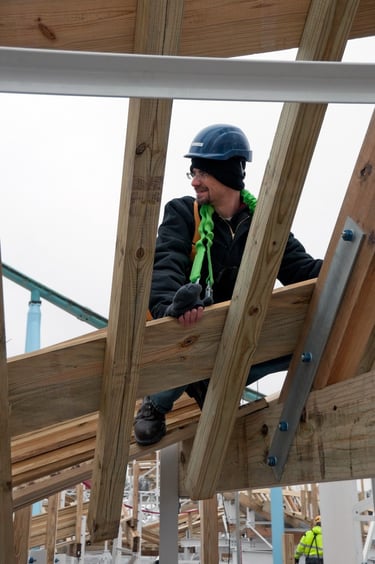
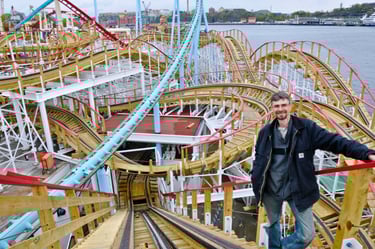
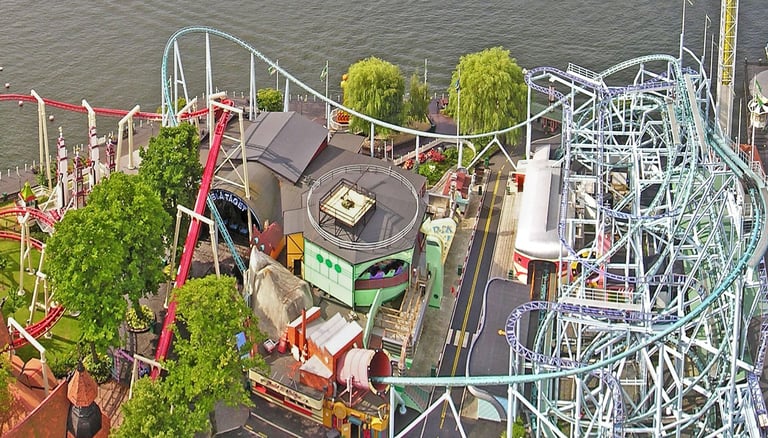
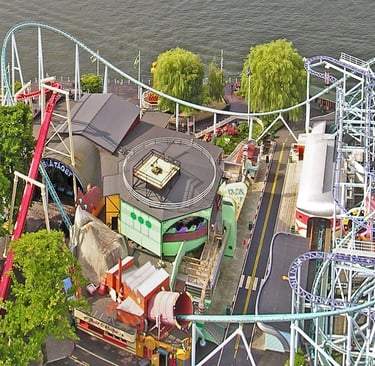
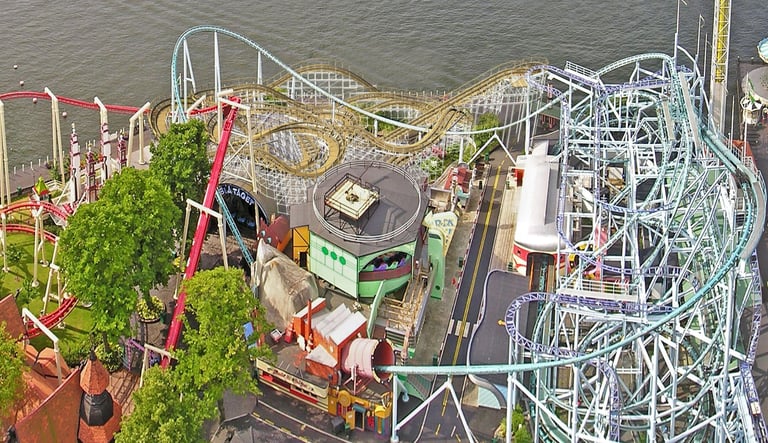
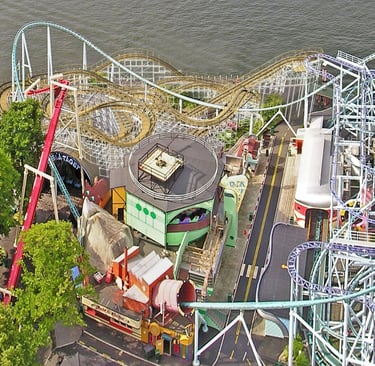
BEFORE
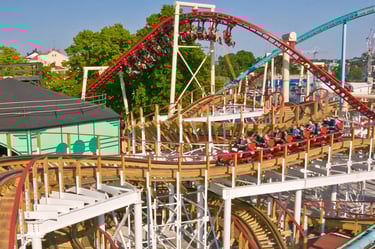
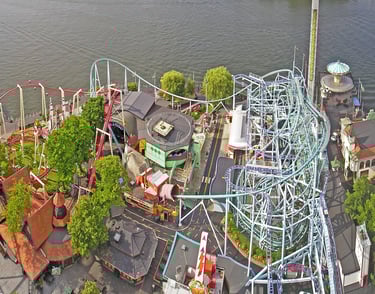
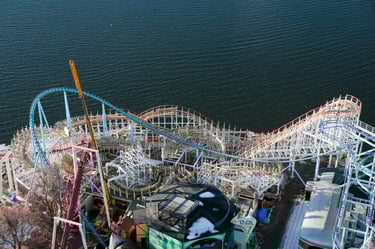
AFTER

POV Riding Twister
Episode Overview
Most of us don’t think too much about roller coasters once we’re strapped in. You feel the climb, the drop, the turns, maybe a moment of weightlessness, and then it’s over. What you don’t see is the sheer amount of thought, compromise, and problem solving that goes into making that experience feel effortless.
In this episode of No Ordinary Monday, I sat down with roller coaster designer Korey Kiepert to talk about what it really takes to build these rides, and one project in particular that pushed those limits further than usual.
It starts with a simple question.
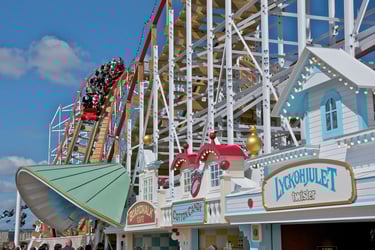
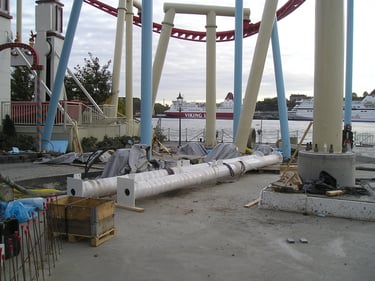
A theme park owner in Stockholm points to a small, awkward patch of land. It’s already surrounded by other rides, buildings, and infrastructure. There’s barely any room to move, let alone build something new. And yet, the question is asked anyway. Could you put a roller coaster here?
Korey says yes.
From that moment on, the project becomes a puzzle. Not the kind where you have all the pieces laid out neatly in front of you, but one where the edges keep shifting. Every decision has a knock-on effect. Every metre of track has to be justified. The space doesn’t get any bigger, so the design has to get smarter.
What comes through in our conversation is just how much of this work sits in the space between engineering and instinct. There are rules, of course. Safety is non-negotiable. Loads, forces, clearances, all of it has to be calculated and tested. But within those boundaries, there’s still a huge amount of creative judgment.
One of the more surprising influences on Korey’s approach is improv. The idea of accepting what’s in front of you and building on it, rather than resisting it, becomes a useful way of thinking when the constraints start to pile up. Instead of asking why something won’t work, the mindset shifts to how it might.
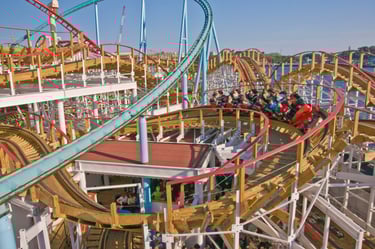
That way of thinking becomes essential on a project like this. When space is limited, you can’t rely on the usual solutions. You have to find new ones. In Korey’s case, that meant designing a ride that threads through the park, weaving over and under existing structures, making use of every available gap.
It also raises an interesting point about why some of the most memorable rides come from the tightest spaces. When you don’t have room to go bigger, you focus on making every moment count. The result is often something more intense, more surprising, and more fun to ride again.
We also talked about why wooden roller coasters still hold their place in a world dominated by steel. There’s something about the feel of a wooden structure, the sound, and the slight unpredictability that keeps people coming back. It’s not just nostalgia. It’s a different kind of experience.
At the same time, the industry isn’t standing still. New technologies are allowing designers to push wooden coasters further than before, with tighter turns and more complex layouts, while still keeping the character that makes them unique.
What I enjoyed most about this conversation is that it pulls back the curtain on something we usually take for granted. A roller coaster might last a couple of minutes, but behind it are years of decisions, trade-offs, and responsibility. When it works, it feels simple. Getting it to that point is anything but.
If you’ve ever wondered how these rides come to life, or how people solve problems when the obvious answer is that it can’t be done, this episode is well worth a listen.
Want to find out more?
Join the conversation on our socials.
© 2025. All rights reserved.