Ep032:
Armed Boarding In The Red Sea
What happens when a marine science expedition in the Red Sea is suddenly boarded by an unidentified, armed group? In this episode, underwater photographer and documentary producer Ulrika Larsson recounts her experience working near the Yemeni coast, where a routine encounter escalated into a tense, hours-long ordeal — with passports confiscated and crew members taken away for questioning. Set against the backdrop of rising regional tensions, this is a gripping, real-life story from the frontlines of scientific expeditions in high-risk environments.
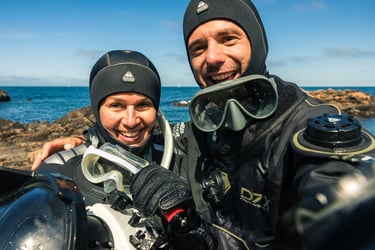
Ulrika’s career spans outdoor guiding, adventure leadership, documentary filmmaking, and underwater photography — and more recently, firefighting in Sweden. We explore what it takes to work in remote and unpredictable conditions, the importance of calm decision-making under pressure, and how curiosity has shaped her path. The episode also reveals how the same Red Sea expedition led to an award-winning photograph displayed in Piccadilly Circus, offering a rare behind-the-scenes look at documentary storytelling, expedition work, and life in extreme environments.
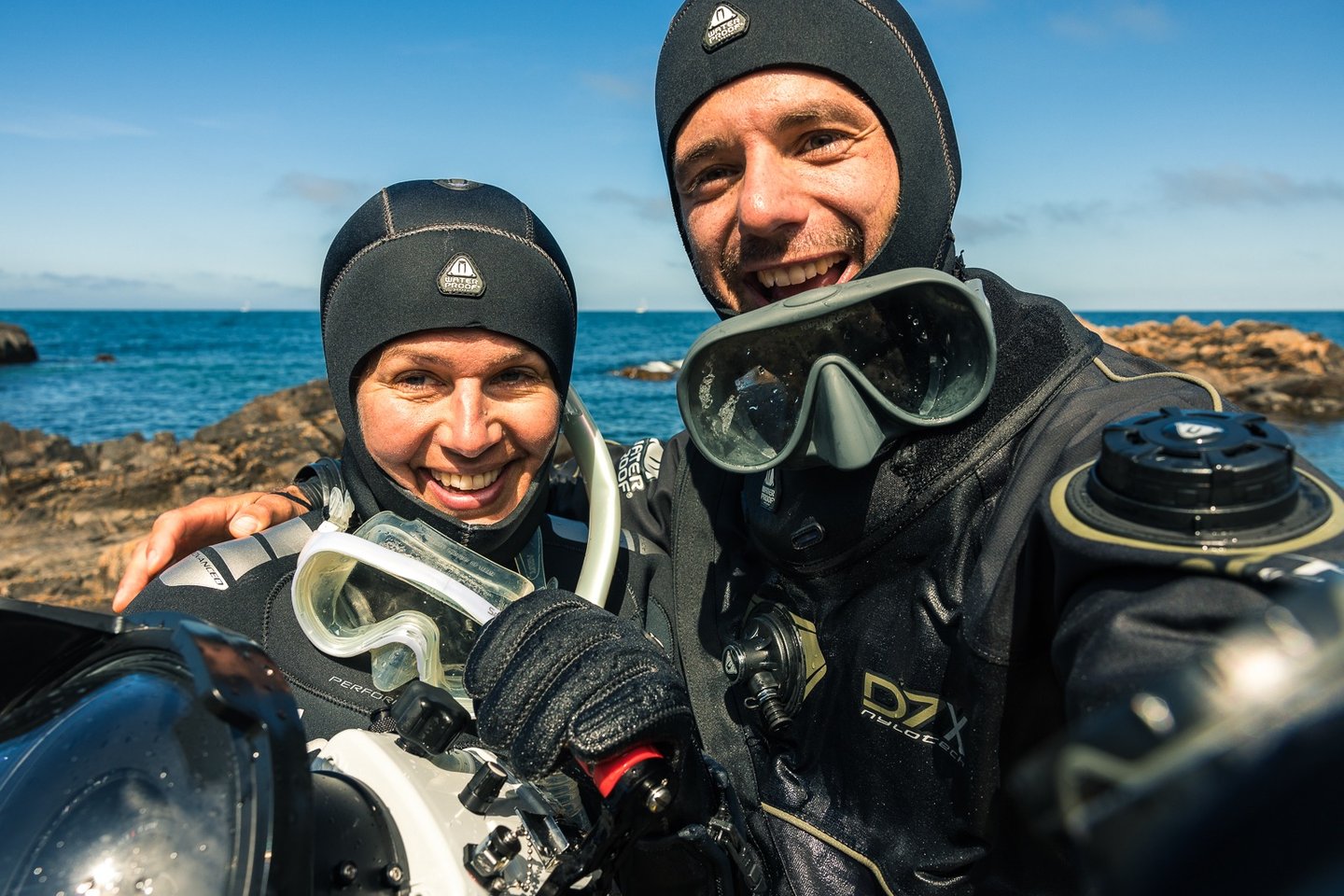
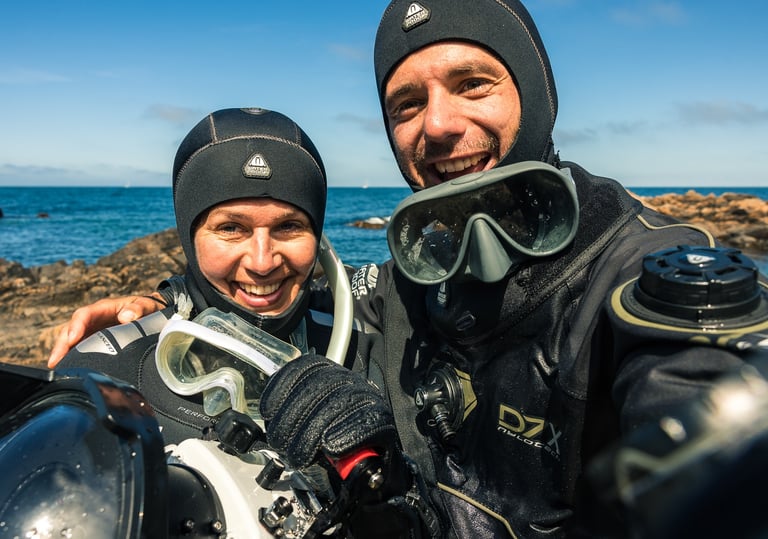





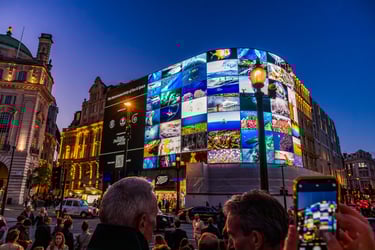
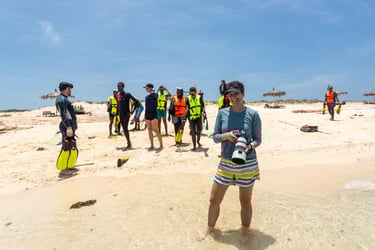
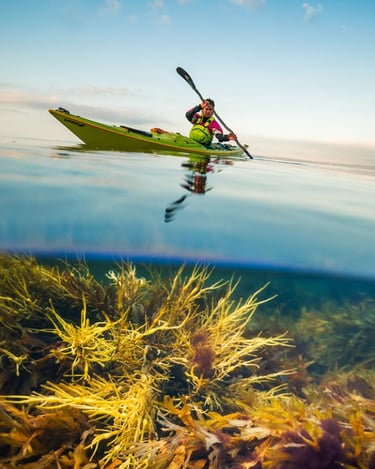
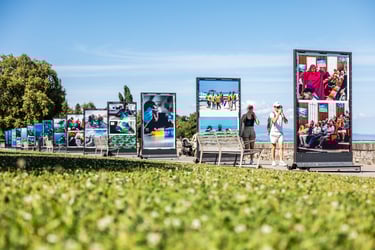
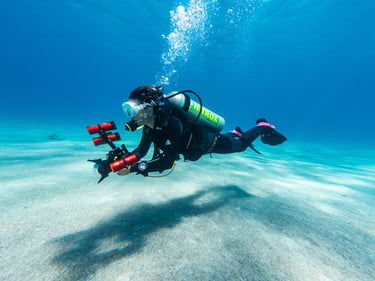
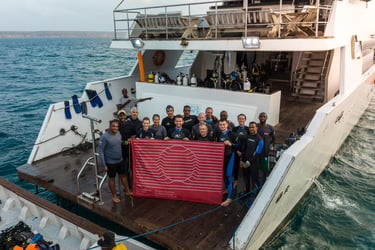
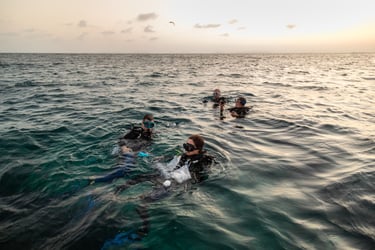
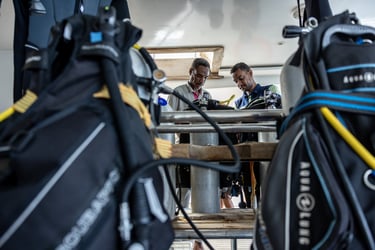
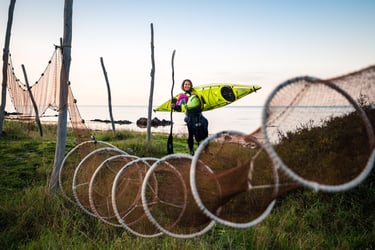
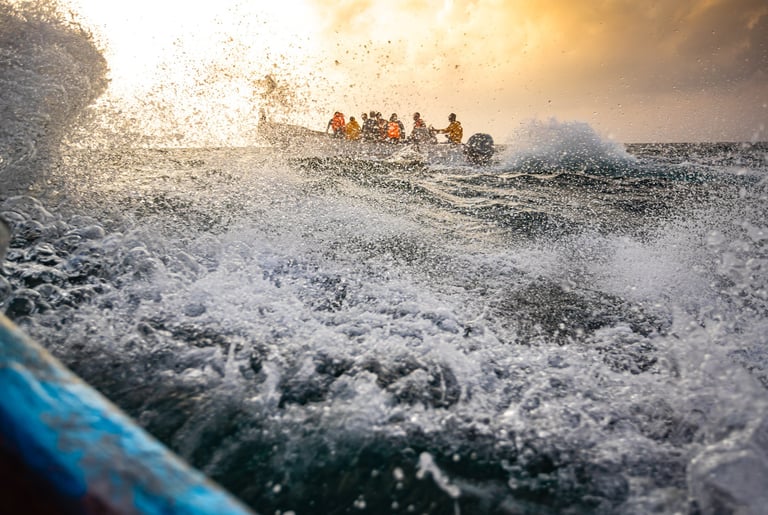
The image below is Ulrika's award nominated photograph from their Red Sea expedition.
Episode Overview
Boarded at Sea: A Red Sea Expedition Gone Wrong
What starts as a routine marine science expedition in the Red Sea quickly turns into something far more uncertain.
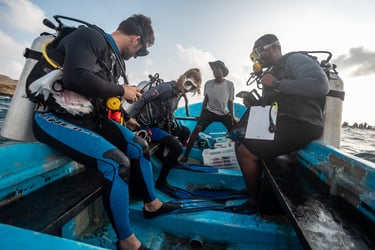
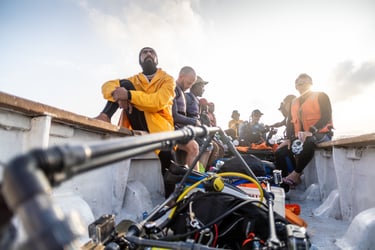
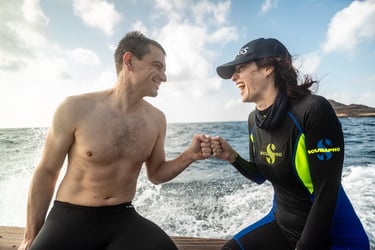
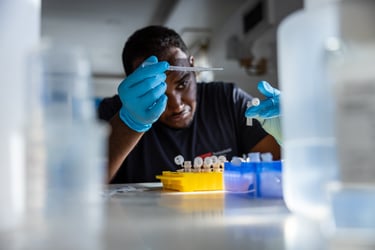
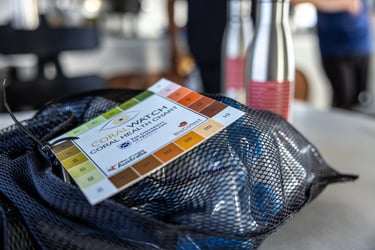
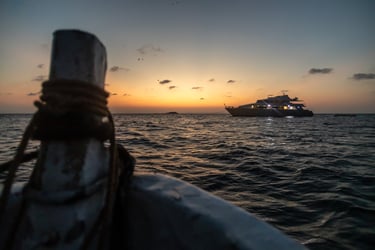
Ulrika Larsson is an underwater photographer and documentary producer who is used to working in remote and unpredictable environments. On this assignment, she joins a team of scientists documenting coral reef research near the Yemeni coast, close to the Seven Brothers Islands. It is a part of the world known not just for its biodiversity, but also for its political tension.
The job is simple on paper. Document the work, capture the story, and return safely.
But that is not what happens.
At some point during the expedition, a boat approaches. What seems like a routine coast guard check begins to shift. An unidentified group boards the vessel. Voices are raised. No one is quite sure who they are or what they want. Before long, members of the crew are taken away for questioning, and passports are confiscated.
For those left on board, it becomes a waiting game. No clear answers. No control over what happens next.
It is the kind of moment that changes the tone of everything.
Working in High Risk Environments
For Ulrika, this experience is not an outlier. It sits within a career built around stepping into the unknown.
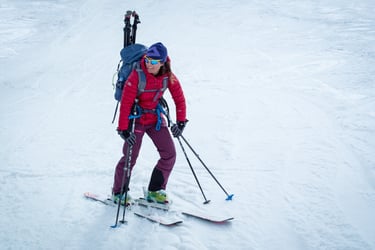
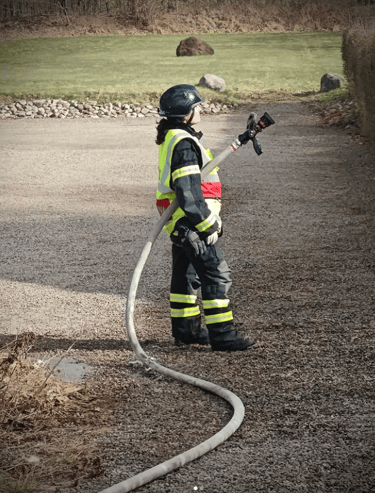
Her path has never followed a straight line. She has worked as an outdoor guide, run her own adventure business, and built a career in documentary production and underwater photography. More recently, she has also trained and worked as a firefighter in Sweden, another role where staying calm under pressure is not optional.
Across all of these roles, there is a common thread. The ability to stay composed when situations become unpredictable.
Because in places like the Red Sea, especially near politically sensitive regions, things can change very quickly.
The Reality of Scientific Expeditions
There is often an assumption that scientific expeditions are controlled and carefully managed.
In many ways they are. But they also operate in real world environments where politics, borders, and local authority come into play.
In this case, a small mistake becomes a flashpoint.
A camera pointed at the wrong moment. The wrong people in frame.
And suddenly, a documentation project turns into a situation with real consequences.
Ulrika describes the experience without any sense of drama. What comes through instead is the uncertainty, the tension, and the need to think clearly when the stakes rise.
An Unexpected Outcome
What makes this story even more striking is what comes next.
The same expedition that involved being boarded at sea also produced one of Ulrika’s most important photographs. An image that would go on to be selected for a major ocean photography competition and displayed in Piccadilly Circus.
It is a reminder that these environments, as challenging as they can be, are also where some of the most powerful stories are captured.
Why This Story Matters
Ulrika’s experience offers a rare look at what it is really like to work in documentary filmmaking, underwater photography, and scientific expeditions in high risk environments.
It is not just about adventure. It is about judgement, awareness, and responsibility.
And understanding that sometimes the most important decision you can make is knowing when to step back.
Want to find out more?
Join the conversation on our socials.
© 2025. All rights reserved.