
Ep031:
Making War Zones Safe Again
What is it really like to work in bomb disposal? And how do you clear explosives from former war zones?
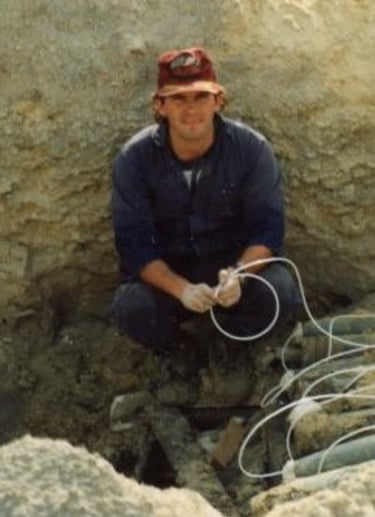
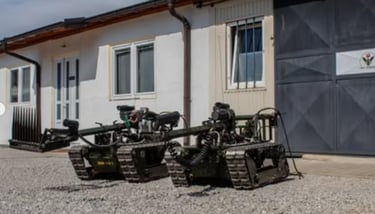
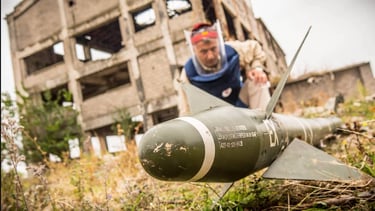
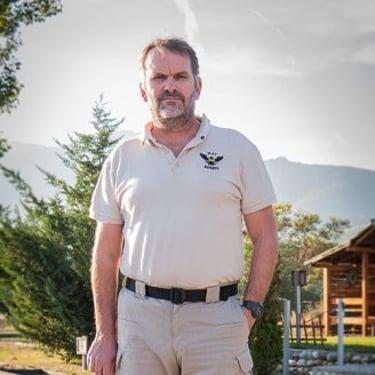
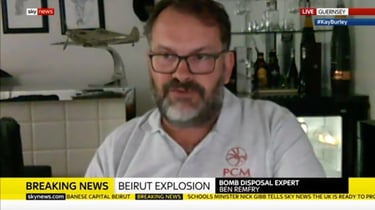
In this episode of No Ordinary Monday, Chris sits down with former British Army engineer and bomb disposal expert Ben Remfrey to explore the reality of explosive ordnance disposal and humanitarian demining. Ben explains how modern landmine clearance works, from international safety standards and equipment to the discipline required to operate safely around unexploded munitions.
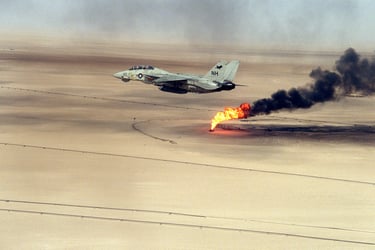
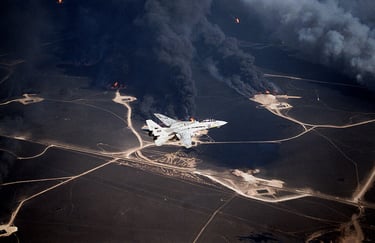
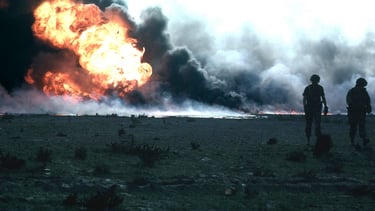
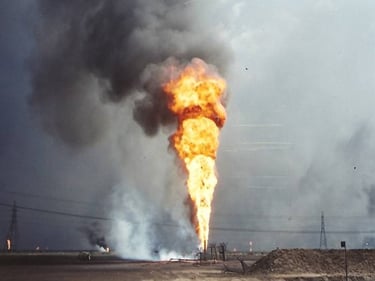
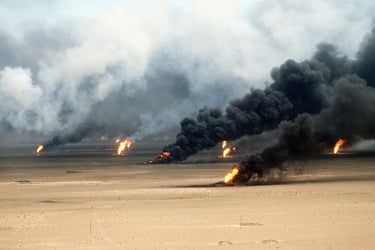
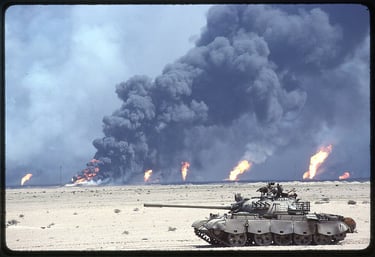
He also shares unforgettable moments from his career, including working in Kuwait after the First Gulf War, where burning oil fields and anti personnel landmines created one of the most dangerous environments imaginable.
Today Ben runs an IMAS compliant EOD training school in Kosovo, preparing the next generation of humanitarian deminers. This episode offers a rare look inside bomb disposal, landmine clearance, and the people working to make former war zones safe again.










EPISODE OVERVIEW
One Wrong Step: Inside the World of Bomb Disposal
There are moments in life that arrive quietly, almost without ceremony, and only later reveal how close you came to disaster.
For Ben Remfrey, that moment happened in the Kuwaiti desert in the early 1990s.
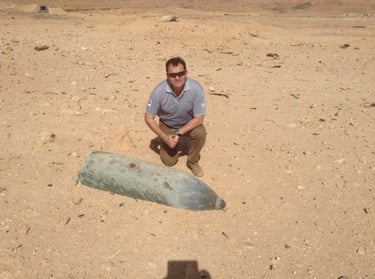
He was working as part of a small bomb disposal team clearing unexploded ordnance after the First Gulf War. The job was brutally simple: move through the oil fields, clear the ground of mines and munitions, and make the area safe enough for firefighters to cap the burning wells.
But nothing about Kuwait in those days felt simple.
When Iraqi forces retreated, they sabotaged hundreds of oil wells, turning the desert into a landscape Ben still describes as something close to Dante’s Inferno. Flames leapt into the sky from ruptured wellheads, thick black smoke blotted out the sun, and the air was thick with oil and sand that stuck to everything. “You entered into a black space that was lit here and there by wells flaring up,” he recalls.
His team’s task was to cut safe corridors through that chaos. Starting from a known safe road, they would painstakingly clear lanes through potentially contaminated ground so specialist firefighting crews could move in behind them.
On one particular day, Ben approached a wellhead that looked oddly untouched. It wasn’t burning. It wasn’t spewing oil. Through his binoculars he spotted what looked like demolition charges wired to the structure.
He told the rest of the team to stay where they were and walked in alone.
Step by step he crossed the sand and oil-streaked ground toward the well. He dismantled the charges and made the site safe. Job done.
Then he turned around and began retracing his footsteps back to the team.
As bomb disposal operators often do, he followed the exact path he had walked in, placing his boots back into the same prints he had already made. It’s one of the simplest ways to reduce risk when you’re unsure what might be hidden beneath the ground.
Halfway back, something caught his eye.
In one of his own footprints sat an anti-personnel landmine.
Ben had already stepped on it.
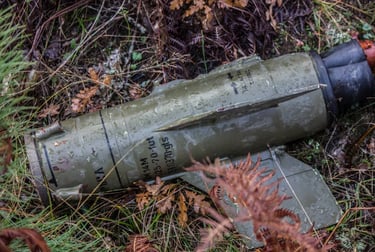
The mine, an Italian VS-50, had been triggered by the pressure of his foot. The only reason it hadn’t detonated was that the person who laid it had never installed the detonator.
He picked it up, removed the explosive, and kept the empty casing. One day, he says, it might end up as a doorbell on his house.
The moment didn’t fully sink in until later, when he sat alone on a beach in Kuwait and replayed the sequence in his mind. The outcome could have been very different. “I was very lucky,” he says simply.
A Profession Built on Patience
Bomb disposal isn’t the adrenaline-soaked drama Hollywood often portrays.
According to Ben, the reality is far less cinematic. “It’s ninety percent boredom and ten percent excitement,” he explains. The vast majority of the work is preparation: training, planning, rehearsing procedures again and again so that when something dangerous appears, the response is calm and methodical.
The range of threats is enormous.
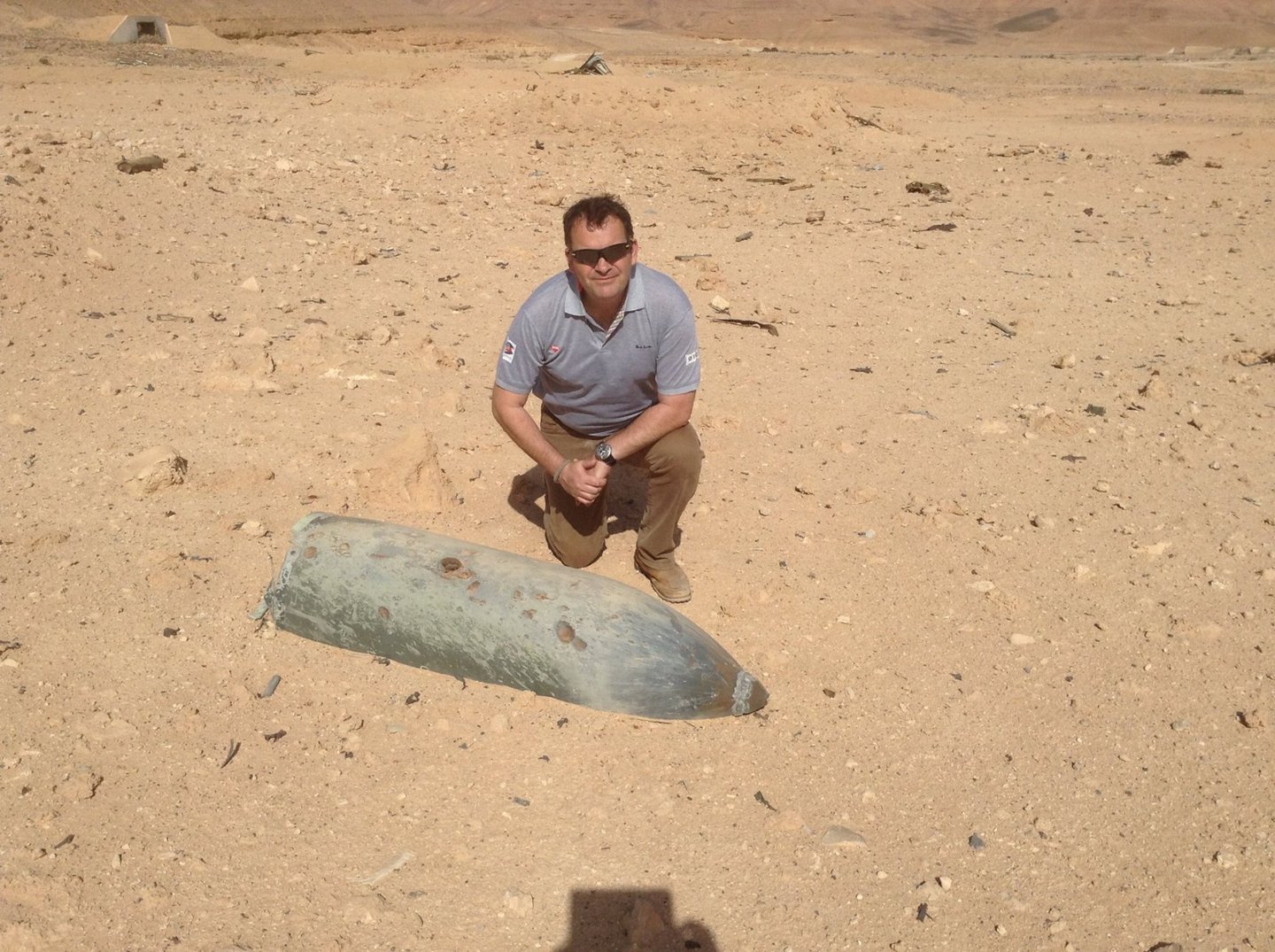
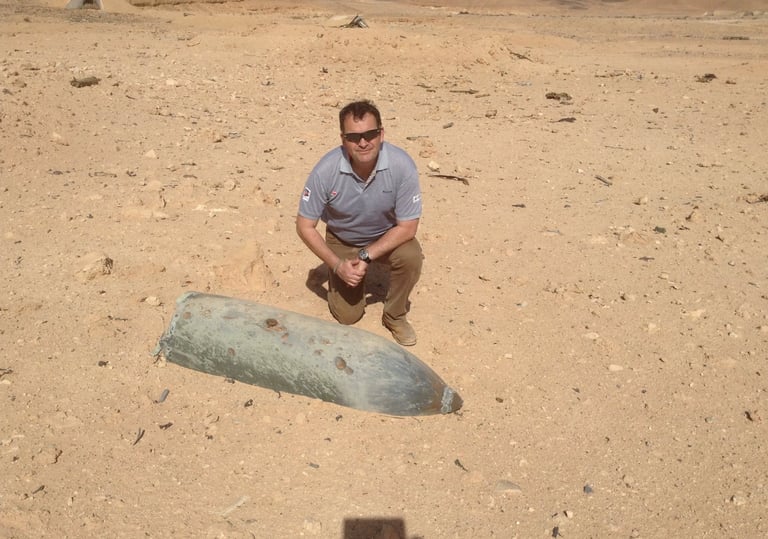
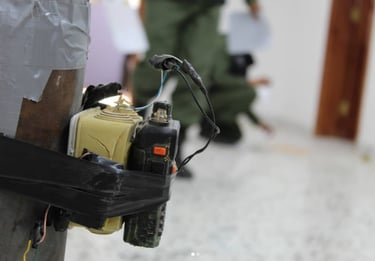
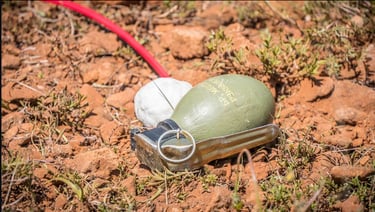
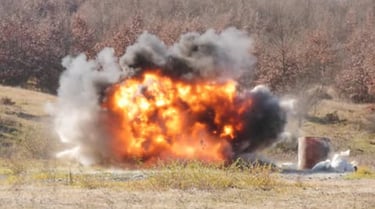
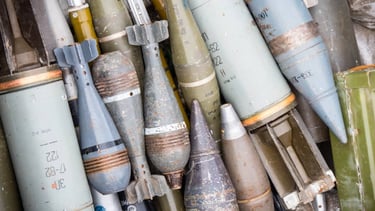
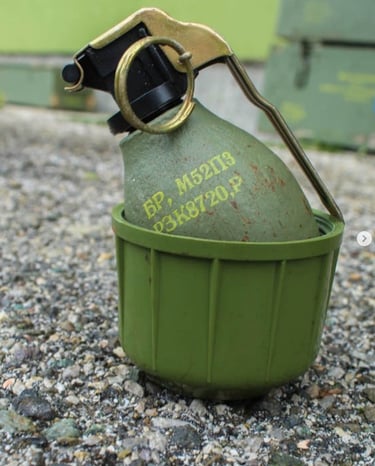
A bomb disposal operator might deal with something as small as a hand grenade or as large as a thousand-pound aircraft bomb. Improvised devices can be even more dangerous because they reflect the imagination of whoever built them. Trip wires, pressure triggers, light sensors, remote switches — every situation can be different.
But the biggest challenge isn’t always the device itself.
Often it’s the history behind it.
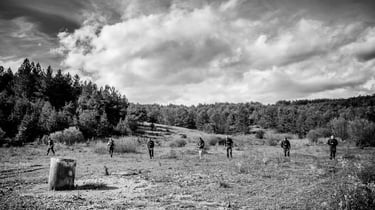
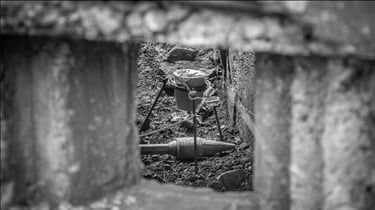
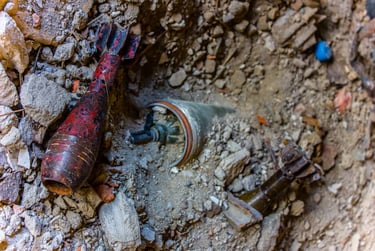
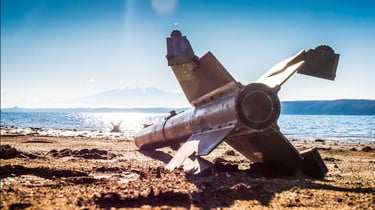
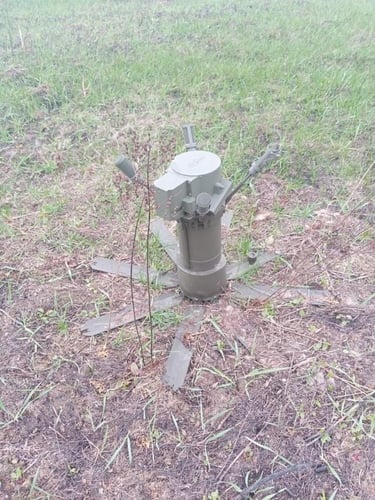
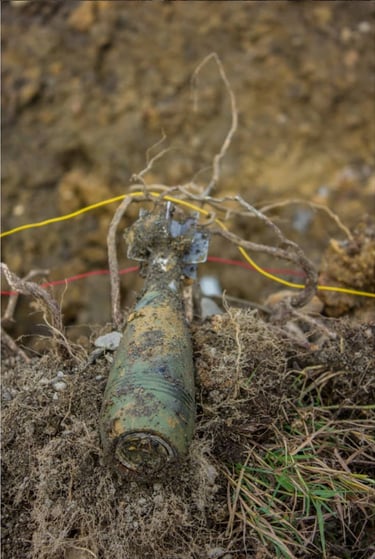
Wars scatter enormous quantities of unexploded munitions across landscapes. Many of these weapons fail to detonate when they are deployed. Decades later they remain hidden in fields, forests, and towns, waiting for the wrong person to cross their path.
Sometimes the weapon was manufactured generations ago.
“You could be dealing with something fired yesterday that was built seventy years ago,” Ben explains.
Cleaning Up After War
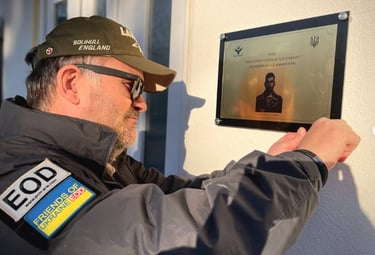
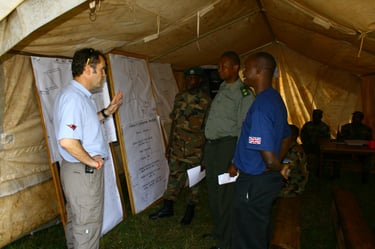
Today Ben runs an explosive ordnance disposal training school in Kosovo that prepares humanitarian deminers from around the world.
The school teaches international mine action standards, the protocols and safety systems designed to reduce risk in an inherently dangerous profession.
Those standards didn’t always exist.
When Ben first worked in Kuwait, bomb disposal teams were given basic equipment and sent into contaminated oil fields with little protective gear. Casualty rates reached ten to fifteen percent in some operations.
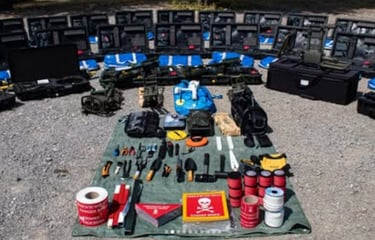
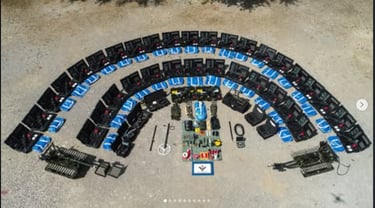
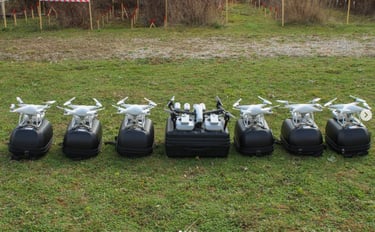
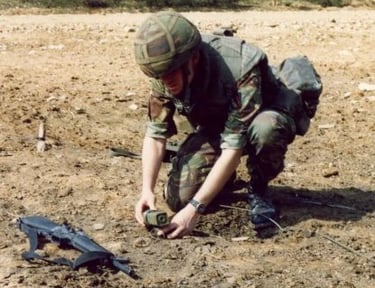
Modern mine action looks very different. Training now focuses on disciplined procedures, proper equipment, and a culture where operators constantly share information.
In Ben’s organisation, graduates remain connected through networks where they can quickly identify unfamiliar devices or seek advice from experts around the world.
“No one is an expert,” he says. “Every day is a school day.”
A New Generation of Deminers
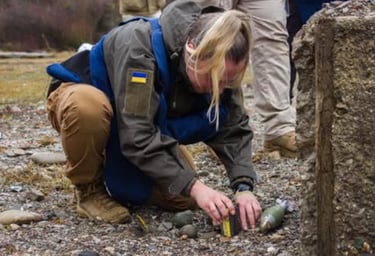
One of the initiatives Ben is proudest of began after Russia’s full-scale invasion of Ukraine in 2022.
When he offered to train Ukrainian deminers, officials told him they could not spare men of fighting age. Women, they said, were not allowed to work as sappers or bomb disposal operators.
Ben suggested a simple solution.
“Give me your women.”
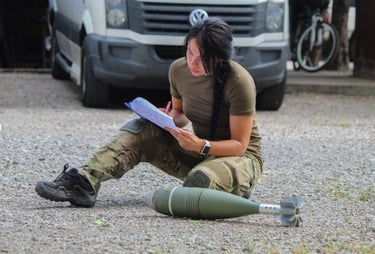
The first group of eight trainees arrived in Kosovo from very different walks of life. Among them were a fashion designer, a kindergarten teacher, a midwife, and a housewife. Over six weeks they completed their training and returned home.
They quickly proved themselves.
Today hundreds of Ukrainian women have followed their path into mine clearance, and many now lead operational teams across the country.
For Ben, that achievement stands out among a lifetime of honours and decorations.
“If someone asked me what the greatest thing I achieved in my career was,” he says, “it would be getting women recognised as sappers in Ukraine.”
The Long Shadow of War
The work of deminers rarely makes headlines, but its importance is enormous.
Unexploded ordnance continues to injure and kill civilians long after conflicts have ended. Farmers strike buried shells with ploughs. Children pick up unfamiliar objects in fields. Entire communities remain cut off from land they once depended on.
In Ukraine alone, an area roughly the size of Syria is believed to be contaminated with mines and unexploded munitions. Clearing it will take decades.
There is no technological shortcut.
Despite countless experimental ideas, the most reliable solution remains the same: trained people, working carefully, with the right equipment and the right standards.
Step by step, meter by meter, they make land safe again.
And sometimes, if luck is on their side, they walk away from moments that could have changed everything.
Want to find out more?
Join the conversation on our socials.
© 2025. All rights reserved.