
Ep023:
A Bush Pilot’s Worst Flight Over Papua
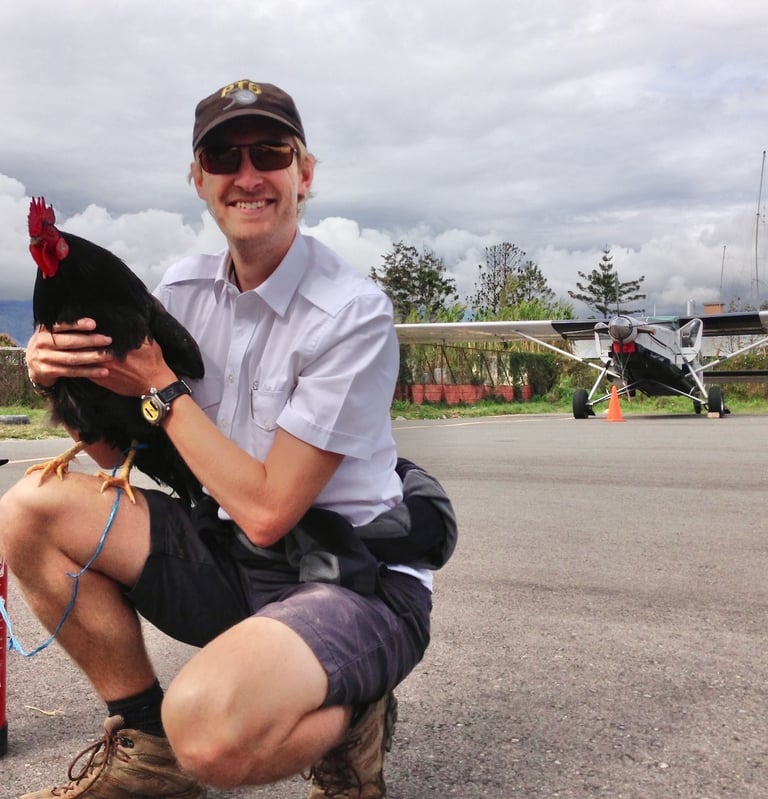
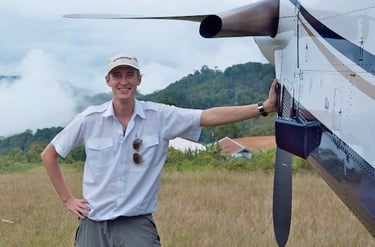
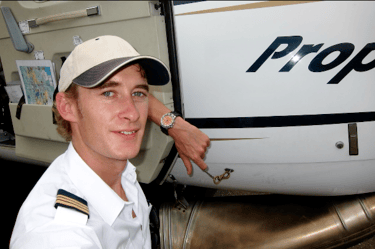
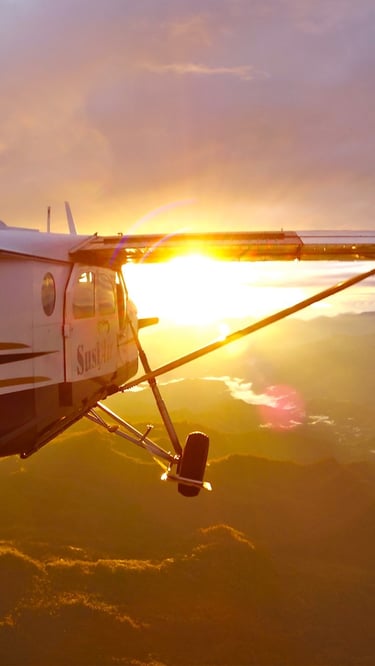
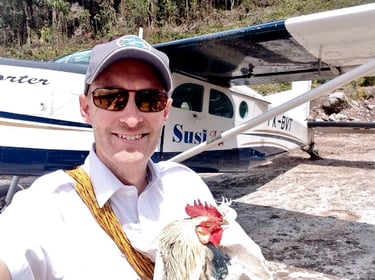
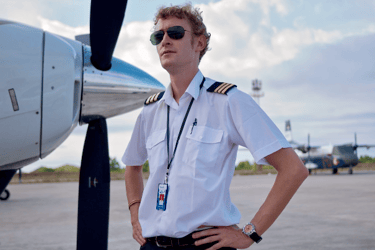
Matt Dearden left a stable IT career — a good salary, a tidy flat, and a predictable routine — to become a bush pilot flying in Indonesia, one of the most demanding aviation environments on Earth. In this episode of No Ordinary Monday, Matt takes us inside the world of remote aviation, flying for Susi Air to isolated mountain communities where small aircraft are often the only connection to healthcare, supplies, and the outside world.
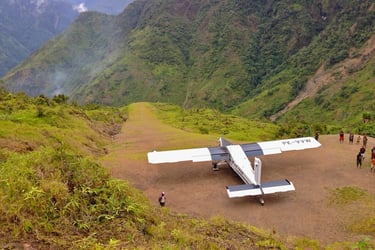
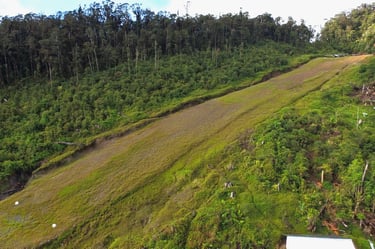
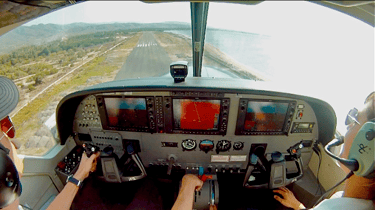
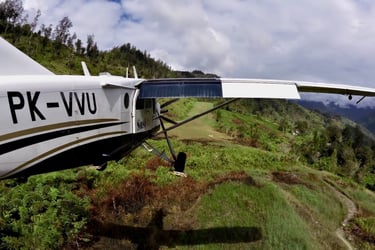
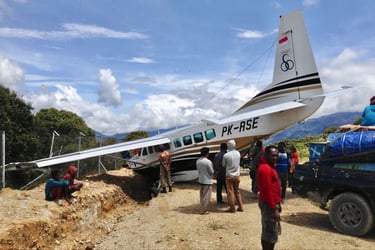
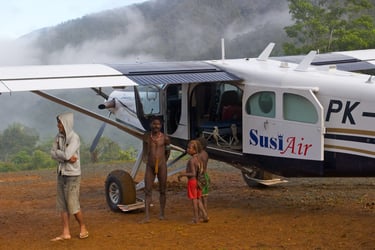
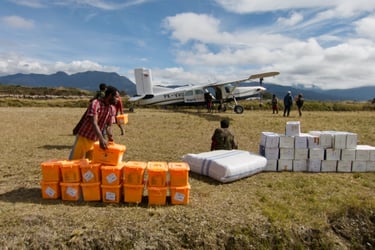
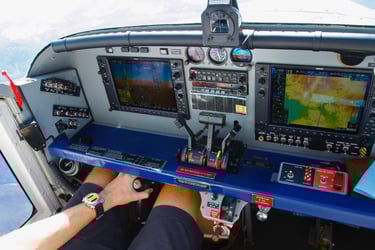
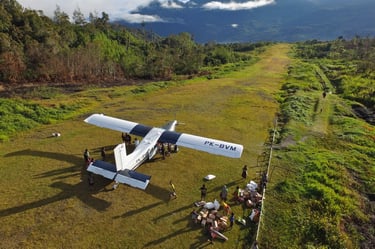
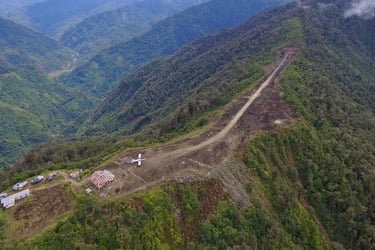
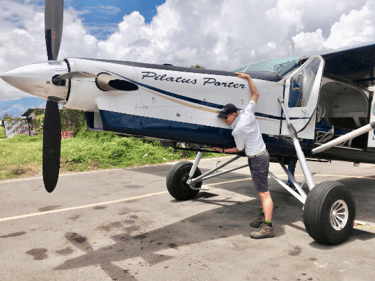
Flying the Pilatus PC-6 Porter, a rugged STOL aircraft built for short and unforgiving runways, Matt describes a job that exists far beyond the textbook: dirt airstrips cut into steep jungle slopes, weather that can close in within minutes, and flights carrying everything from medical cargo to fuel drums and livestock. He explains how aviation accidents are rarely caused by a single failure, but by chains of small decisions — before recounting one flight where, alone in cloud with no autopilot and his body beginning to fail, survival depended on judgement, discipline, and staying conscious long enough to land.








EPISODE OVERVIEW
Flying the Frontier: Bush Flying in Indonesia with Matt Dearden
Bush flying sits at the far edge of aviation — beyond scheduled routes, beyond radar coverage, and often beyond any margin for error. In Indonesia, an archipelago of more than 17,000 islands, bush pilots play a critical role in connecting remote communities separated by mountains, jungle, and ocean. For Matt Dearden, that world began with a decision to walk away from a comfortable IT career and follow a long-held instinct to fly.
In this episode of No Ordinary Monday, Matt recounts his journey from a predictable life in the UK to flying single-engine aircraft into some of the most remote airstrips on Earth. What starts as a career change story quickly becomes a deep exploration of frontier aviation, where judgement, humility, and experience matter as much as technical skill.
From IT Desk to Bush Pilot
Before aviation, Matt’s world revolved around computers. He studied computer science, built a successful programming career, bought a flat in Bristol, and outwardly ticked every box of stability. But beneath it sat a growing anxiety — a sense that life had narrowed too early, too neatly.
Flying, which had briefly captured his imagination as a teenager, resurfaced as more than a hobby. After a trial lesson near his office, Matt committed to pilot training through the modular route, balancing a full-time job with intensive study. The process was demanding, financially risky, and coincided with a global recession that left airline jobs scarce. Yet persistence eventually led him somewhere unexpected: Susi Air, a pioneering Indonesian airline operating government-subsidised routes into remote regions.
The Reality of Bush Flying in Indonesia
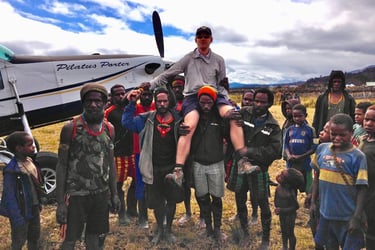
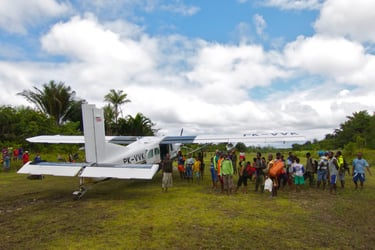
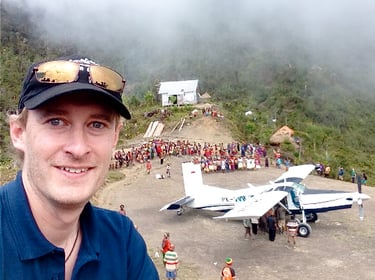
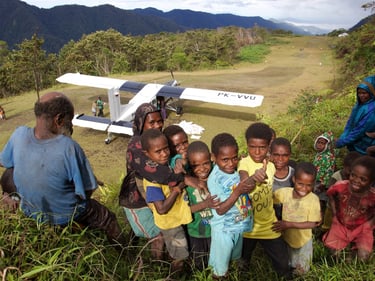
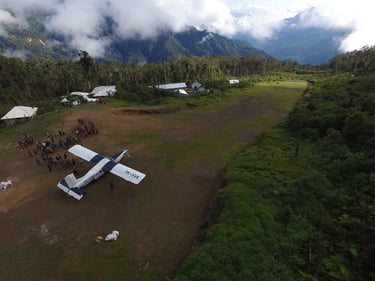
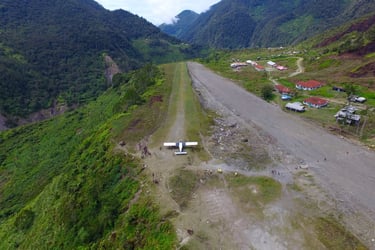
Indonesia’s geography defines its aviation challenges. Many villages are unreachable by road, accessible only by airstrips carved into mountainsides or hacked out of jungle clearings. Susi Air’s role was to connect these places — not with large airliners, but with rugged utility aircraft capable of landing where little else could.
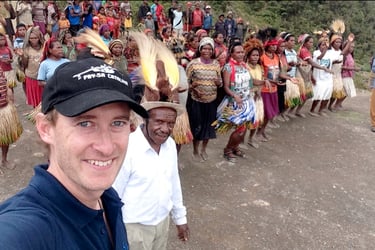
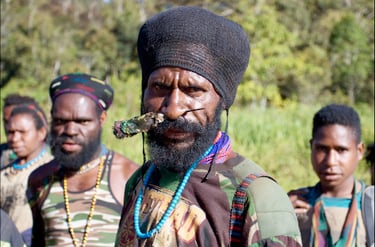
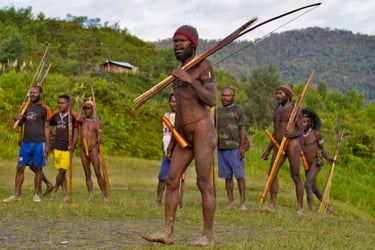
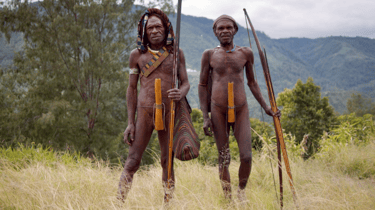
Matt began flying Cessna Caravans, hopping between islands and interior towns, carrying passengers, medical supplies, building materials, fuel drums, and sometimes livestock. Over time, he gravitated toward Papua, Indonesia’s easternmost province — a place he describes as feeling like a true frontier. Isolated, culturally distinct, and logistically unforgiving, Papua demanded a different mindset from pilots.
It was here that Matt encountered the aircraft that would define his career.
Flying the Pilatus PC-6 Porter
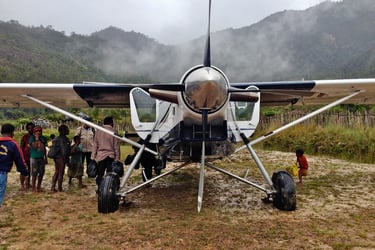
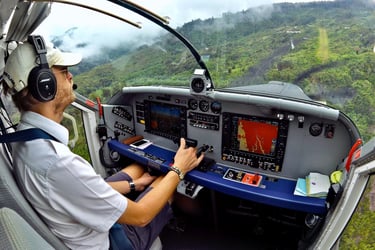
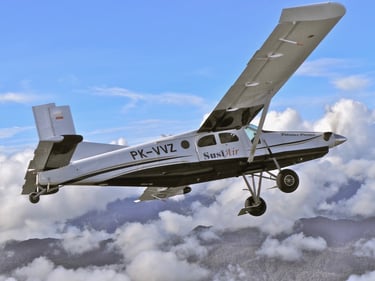
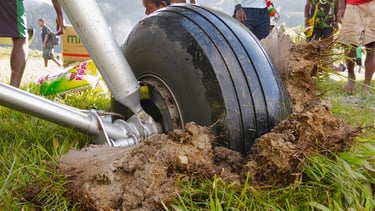
The Pilatus PC-6 Porter is a Swiss-built STOL (Short Takeoff and Landing) aircraft designed for steep, short, and unpredictable runways. Turbine-powered, single-pilot, and capable of hauling nearly a tonne of cargo, it is purpose-built for bush flying.
For Matt, flying the Porter marked a turning point. Unlike larger aircraft with multi-crew operations and procedural buffers, the PC-6 stripped aviation back to fundamentals. One pilot. One engine. Constant hand-flying. Every decision mattered.
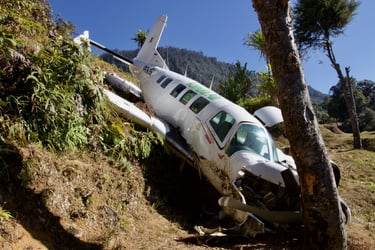
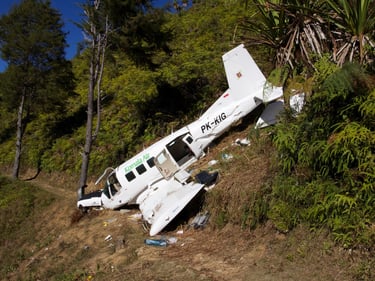
Bush flying, as Matt explains, isn’t reckless — but it is unforgiving. Accidents rarely come from one failure; they form through chains of small decisions, compounded by terrain, weather, and human judgement. Learning when to push, and when to back off, is the art of survival.
Alone in Cloud, Low on Options
Midway through his career, one routine flight exposed just how thin those margins can be.
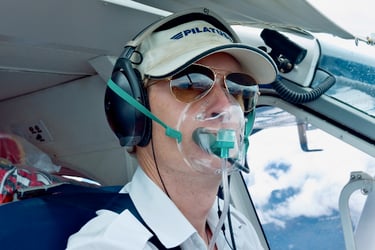
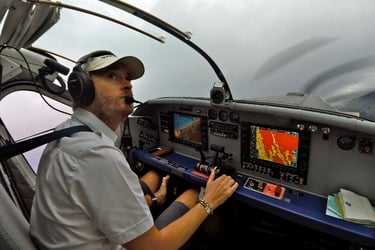
Flying fuel drums out of the mountains of Papua, Matt climbed into cloud at 15,000 feet, alone in the cockpit, on oxygen, with no autopilot. Then, without warning, he was hit by violent nausea and began vomiting uncontrollably. The aircraft required constant input. Letting go of the controls meant losing control altogether.
With no external visual reference and terrain just thousands of feet below, Matt relied solely on instruments — fighting dizziness, exhaustion, and the creeping fear that if he passed out, the aircraft would simply disappear into the jungle. Unable to speak on the radio, barely able to move his head without triggering more vomiting, he managed to descend out of cloud and guide the aircraft toward the flatlands.
Every blink, he thought, might be the last.
Against the odds, Matt landed the aircraft at Timika airport and collapsed moments later. Hours afterward, he was alert and stable. Doctors found no toxins. The likely cause: acute food poisoning — a reminder that in bush flying, even mundane factors can become life-threatening when you’re alone at altitude.
What Bush Flying Demands
Matt’s story is not just about danger — it’s about responsibility. Bush pilots operate where infrastructure ends, where communities rely on aviation for survival, and where mistakes can have irreversible consequences. Experience isn’t accumulated recklessly; it’s expanded carefully, flight by flight, decision by decision.
That philosophy extends beyond flying. For Matt, bush aviation resolved the anxiety that once dominated his life. The clarity of purpose, the immediacy of consequence, and the acceptance that nothing is permanent reshaped how he thinks about risk, work, and fulfilment.
Keywords: bush flying, bush pilot, bush pilot Indonesia, remote aviation, frontier aviation, Pilatus PC-6 Porter, STOL aircraft, remote airstrips, mountain airstrips, Papua Indonesia, jungle flying, extreme aviation, aviation survival story, flying alone, No Ordinary Monday podcast
Links and Info
Want to find out more?
Join the conversation on our socials.
© 2025. All rights reserved.