Ep021:
Drilling Into Antarctica's Frozen Past
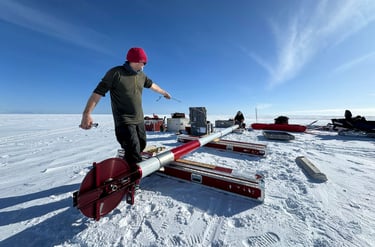
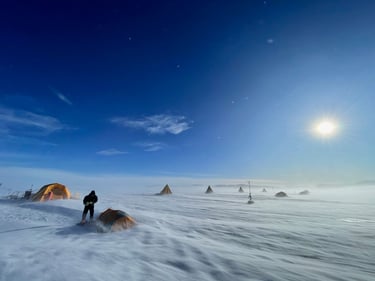
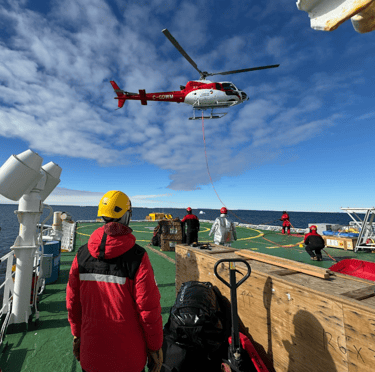
A storm hits less than ten hours after the helicopter drop in West Antarctica. Tents bow under the wind, generators clog with snow, and the margin for error disappears — yet the drill keeps turning. In this episode, we join Peter Neff, a glaciologist and climate scientist, on a rare ship-to-helicopter ice-core mission. Peter takes us inside the reality of polar fieldwork: extreme weather, tight timelines, improvised fixes, and the teamwork required to make science happen at the edge of the map.
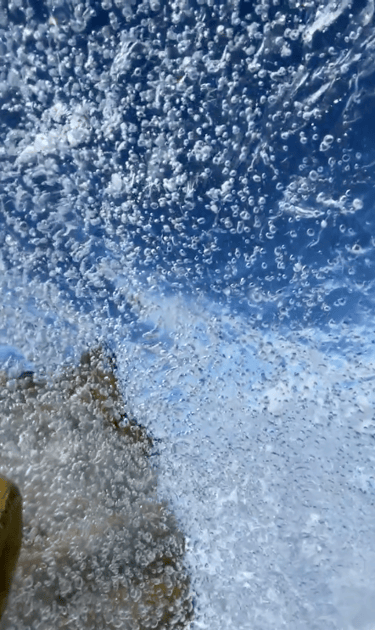
We then explore why this work matters. Peter explains how tiny air bubbles trapped in ice preserve the clearest record of Earth’s past atmosphere, why methane and CO₂ stayed relatively stable for thousands of years before spiking with industrialisation, and why the rate of that change matters for heat, oceans, and sea level. We also discuss the stakes at Thwaites Glacier, what coastal ice cores can reveal that satellites can’t, and how sharing raw Antarctic fieldwork on social media helps rebuild public trust in science — along with practical advice for anyone curious about joining the polar workforce.





EPISODE OVERVIEW
What Antarctica Teaches Us About the Past — and the Future
A conversation with polar scientist Peter Neff
Most of us will never set foot in Antarctica.
Fewer still will drill kilometres down into its ice.
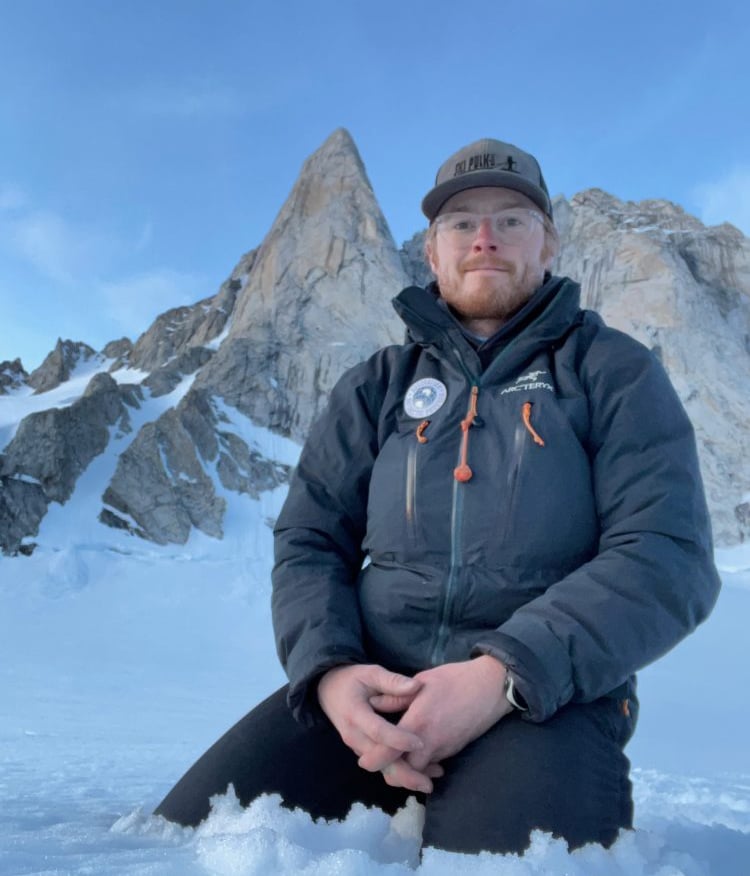
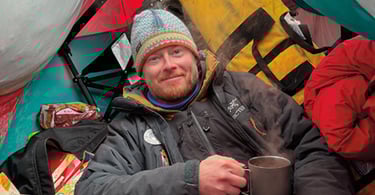
For polar scientist Peter Neff, that frozen landscape isn’t just a workplace, it’s where some of the most defining moments of his career have unfolded. Moments of isolation, risk, and responsibility that don’t make it into scientific papers, but shape the people doing the work.
In this episode of No Ordinary Monday, Peter shares not only what ice cores reveal about Earth’s climate history, but what it feels like to live and work at the edge of the world.
Antarctica as a time machine
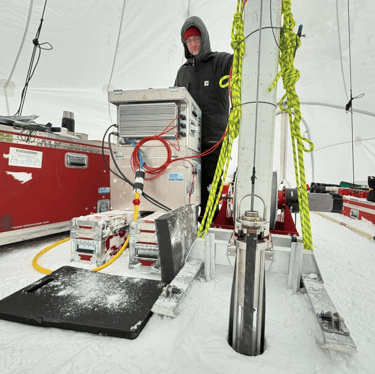
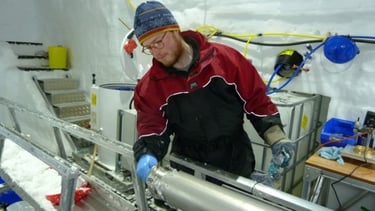
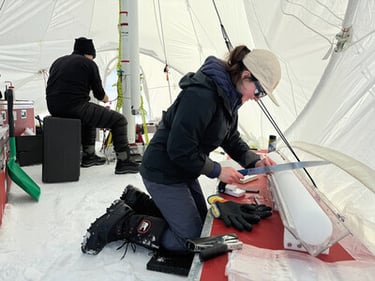
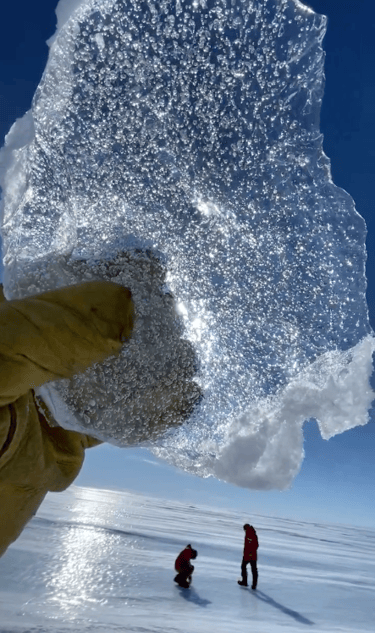
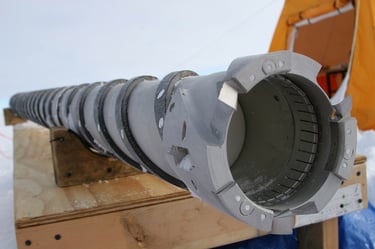
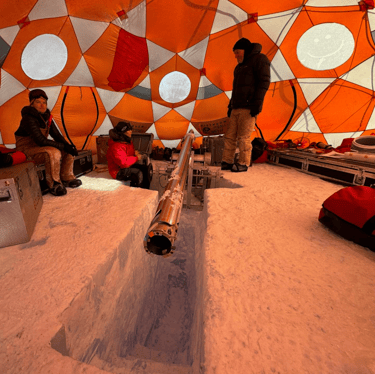
Peter’s research focuses on ice cores, long cylinders of ice drilled from glaciers and ice sheets that preserve tiny bubbles of ancient atmosphere. Each layer is a frozen record of Earth’s past climate, stretching back hundreds of thousands of years.
Antarctica is uniquely suited to this work. Its extreme cold and slow-moving ice make it one of the most reliable climate archives on the planet. As Peter explains, these records help scientists understand how Earth’s climate system responds to change, and why today’s trends can’t be separated from what’s come before.
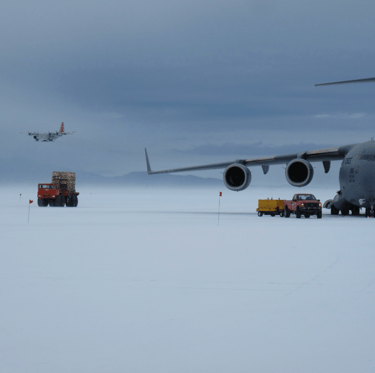
But the science only works because of an enormous, often unseen support system. Antarctic research is deeply collaborative, involving pilots, engineers, mechanics, heavy machinery operators, and logistics crews that often outnumber the scientists themselves. Survival, let alone success, depends on trust, planning, and collective decision-making in one of the most hostile environments on Earth.
Peter’s NOM feature story: The Storm
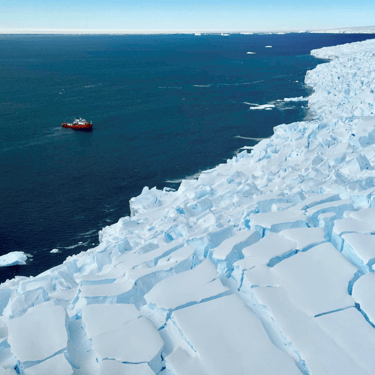
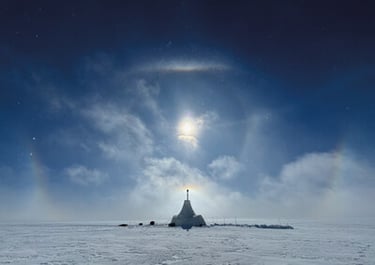
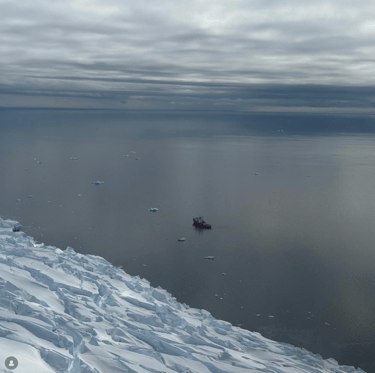
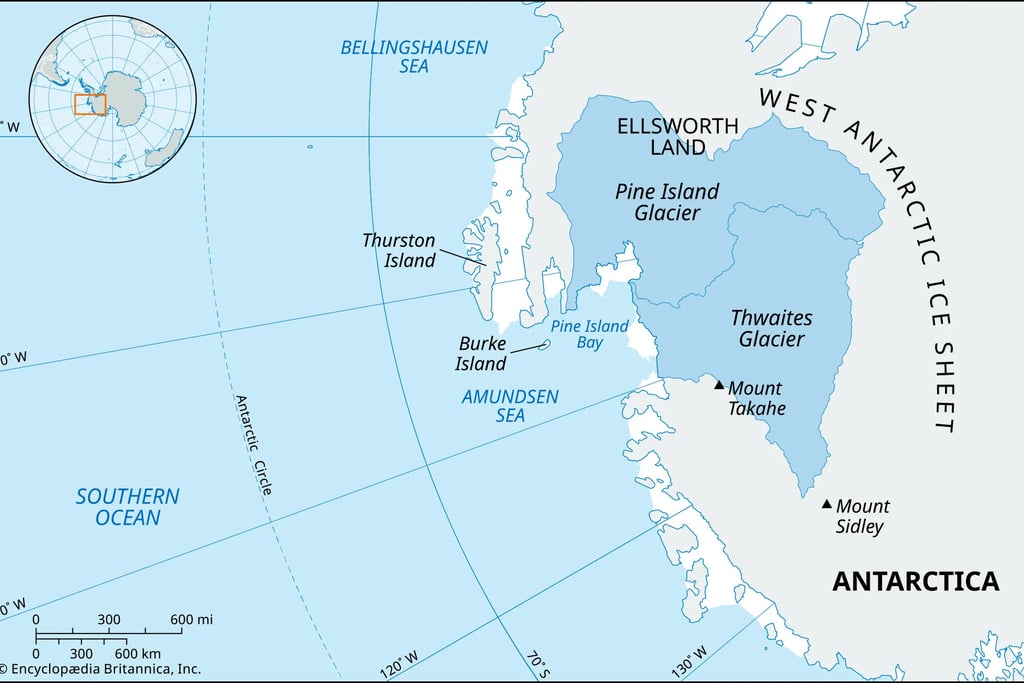
Peter’s No Ordinary Monday moment unfolds on one of the most remote coastlines of Antarctica, near West Antarctica’s Thwaites Glacier. A region scientists fear may already be approaching an irreversible tipping point.
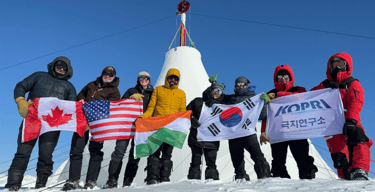
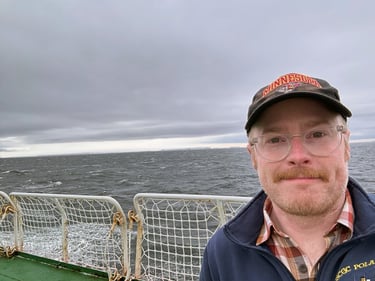
To collect the climate records needed to understand how that retreat began, Peter helped lead a mission that had never been attempted before: launching helicopters from a South Korean icebreaker to drop a drilling team directly onto the ice. The entire operation hinged on a single, narrow weather window.
They knew a major storm was coming. Waiting would likely mean losing the project entirely.
So they went.
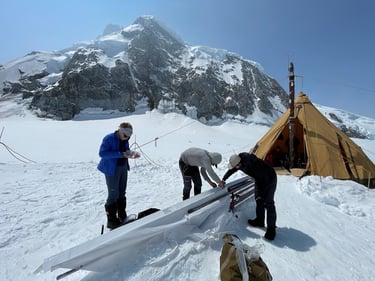
Within hours of landing, the storm hit. Tents collapsed under snow, equipment was buried, and the team found themselves more than a week from help, racing against time to drill deep enough before the ship had to leave. In the episode, Peter reflects on the decisions, risks, and leadership moments that defined those days. Sometimes the most dramatic parts of polar science never make it into the published papers.
From the South Pole to TikTok
One of the more unexpected turns in Peter’s career came during the COVID-19 pandemic, when he began sharing short videos from the field on social media.
What started as an experiment quickly reached hundreds of thousands of people. Today, Peter is one of the most recognisable voices explaining polar science online, bringing behind-the-scenes realities of Antarctic research to audiences who might otherwise never encounter it.
For Peter, this isn’t about simplifying science, it’s about access. Social media allows people to see the human side of research: the long days, the problem-solving, the isolation, and the awe of working somewhere so few will ever visit.
Why this work matters now
Antarctica can feel distant from everyday life, but Peter is clear about its global importance. The ice beneath his feet influences sea levels, weather systems, and long-term climate stability worldwide.
Understanding how that ice has behaved in the past is one of the best tools we have for understanding what lies ahead. And communicating that science clearly, beyond academic circles, is now part of the job.
Why this conversation stayed with me
This episode is a reminder that extraordinary careers are often built quietly, over years, in uncomfortable places. Sometimes they hinge on a single moment that forces you to confront risk, responsibility, and why you chose this path in the first place.
Peter Neff’s story sits at the intersection of exploration, science, and communication, and his No Ordinary Monday moment captures exactly what this podcast is about.
Keywords
Antarctica, polar science, ice core research, climate change, science communication, working in extreme environments, No Ordinary Monday podcast
Want to find out more?
Join the conversation on our socials.
© 2025. All rights reserved.