Ep022:
Trapped in a Flooded Hospital in South Sudan
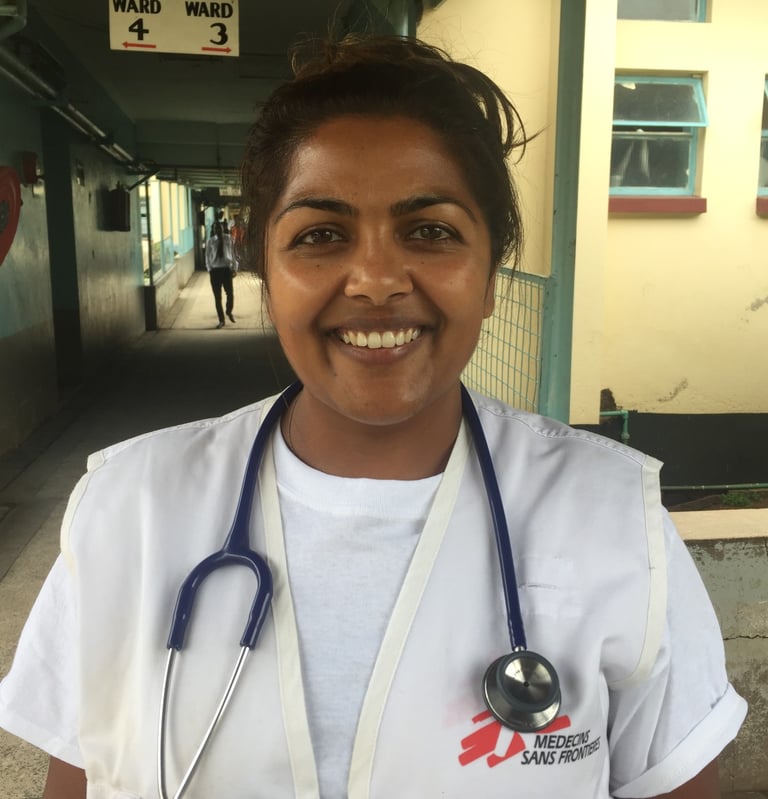
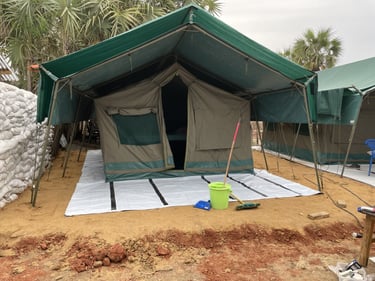
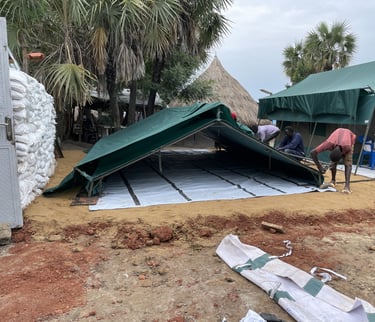
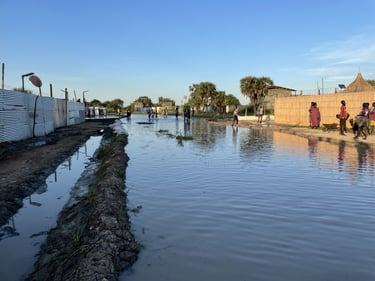
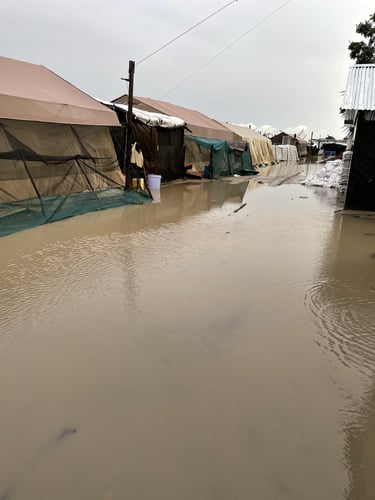
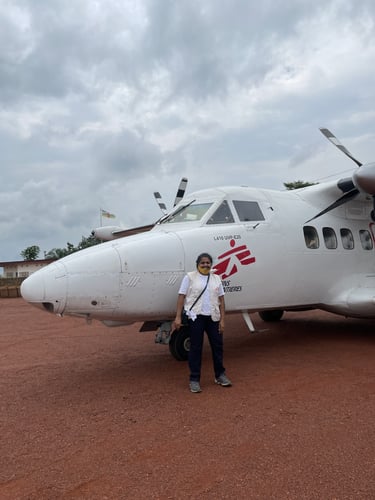
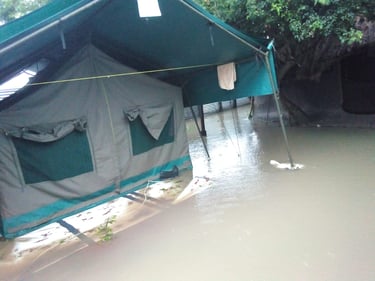
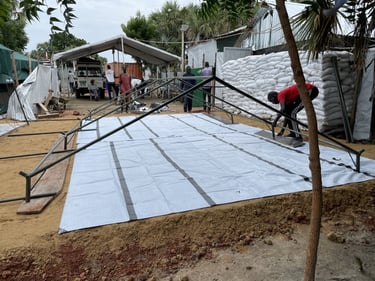
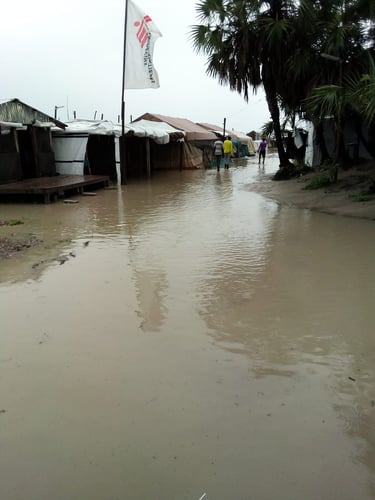
A backpack floats in brown floodwater. The ward is a tent. And despite the heat and the rising water, patients keep coming. In this episode, we hear from Lakshmi Jain, a Médecins Sans Frontières doctor. She takes us from NHS hospitals in the UK to a flooded field clinic in South Sudan, where planes are grounded, supplies are tight, and medicine is pushed to its limits.
Lakshmi shares what humanitarian medicine really looks like on the ground: adapting when plans collapse, treating patients with a hard ceiling of care, and holding the line as a hospital slowly turns into a lake. From a child with a snakebite waiting days for evacuation, to lessons learned in Kenya and India treating advanced HIV and neglected disease, this is a conversation about pragmatism, compassion, and showing up when there are no good options left.





EPISODE OVERVIEW
What It’s Like to Be a Doctor in Flooded South Sudan
A conversation with humanitarian doctor Lakshmi Jain
One morning in South Sudan, Lakshmi Jain woke to find her tented field hospital flooding.
Not metaphorically…literally.
Brown water was rising through the tented wards. Her backpack floated past her bed. Outside, rain hammered the ground with a force she’d never experienced before. The hospital was cut off, surrounded by water, and yet patients were still trying to reach it.
Lakshmi was there as a doctor with Médecins Sans Frontières (Doctors Without Borders), working in a region already stretched by conflict, disease, and isolation. The floods didn’t pause the medical crisis, they intensified it.
Medicine when there is no margin for error
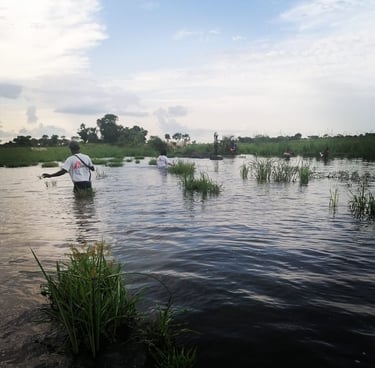
In places like this, patients don’t arrive early. They walk, sometimes for days, crossing floodplains, carrying sick children.
Lakshmi describes moments when things got even more challenging. A young boy arrives after a snakebite. Normally, they would fly him out to a bigger hospital. But the flooding has grounded evacuation flights. There’s no way to get him to higher-level care.
“You realise,” she says, “that by the time some patients get to you, all you can do is your best.” Fortunately, they eventually managed to get the boy out and he survived.
It’s a brutal truth of remote medicine: skill alone isn’t enough. Timing, weather, and logistics decide outcomes just as often as diagnosis.
Learning to work with what you have
Humanitarian medicine demands a mindset that’s very different from well-resourced hospitals.
More limited on equipment, time, and often control over external factors.
Lakshmi talks about learning to be highly adaptable. These field hospitals might be in conflict zones, or areas of natural disasters. You learn to make difficult decisions that would feel easier in a bigger, modern hospital, but are necessary in these remote places. It’s about providing each patient the best care possible in a place where conditions change by the hour.
Adaptability isn’t a bonus skill. It’s survival.
Why she chose this path
Lakshmi’s journey into medicine wasn’t accidental. Growing up in the UK and travelling to India, she developed a strong sense of justice early on. A feeling that the world was unevenly stacked, and that some lives were made harder simply by where they began.
More travel deepened that awareness. Medicine became a way not just to help individuals, but to work at the fault lines where inequality, politics, and health collide.
Joining MSF was a turning point. Her first mission, in Kenya, was intense, disorienting, and transformative. “It was one of the most challenging periods of my life,” she says, professionally and personally.
It also confirmed something important: this was where she wanted to be.
Why This Story Stuck With Me
Working in places like South Sudan, India, Kenya, and many others didn’t just test Lakshmi’s medical skills. It reshaped how she thinks about responsibility, limits, and resilience.
What remains is the understanding that humanitarian medicine isn’t about heroics. It’s about showing up, making the best decisions you can with imperfect information, and carrying the weight of those decisions long after you leave.
Keywords
Doctors Without Borders, humanitarian medicine, South Sudan, global health, medical ethics, working in crisis zones, No Ordinary Monday
Want to find out more?
Join the conversation on our socials.
© 2025. All rights reserved.